

Understanding Run Line and Run Margin Betting in Cricket

Cricket betting markets can use different types of handicaps to compare two teams. Run line and run margin markets are designed to account for the expected difference in runs between competing teams rather than simply asking which team will win.
These markets can initially appear complicated because sportsbooks may display handicaps using positive or negative numbers. The basic concept, however, is straightforward: a run handicap adjusts a team’s effective score for the purpose of settling the market.
The exact terminology and settlement rules can vary between betting operators, so bettors should always check the rules attached to the specific market.
What Is Run Line Betting in Cricket?
A run line is a type of handicap market in which one team receives a specified number of runs added to or subtracted from its actual score for settlement purposes.
For example, imagine a hypothetical T20 market showing:
Team A -10.5 runs
Team B +10.5 runs
Team A must overcome the 10.5-run handicap in addition to winning the match for its side of the run-line market to succeed.
If Team A wins by 15 runs, its adjusted margin after applying the handicap would be:
15 – 10.5 = 4.5 runs
Team A would therefore cover the hypothetical run line.
If Team A wins by only 8 runs:
8 – 10.5 = -2.5 runs
Team B would cover the handicap.
The important point is that winning the cricket match and covering the run line are not necessarily the same thing.
What Is Run Margin Betting?
Run margin betting focuses on the difference between the two teams’ final scores.
For example, suppose a team wins a T20 match:
Team A: 185/6
Team B: 170/8
Team A wins by:
185 – 170 = 15 runs
The winning margin is therefore 15 runs.
A run-margin market may use a handicap around an expected margin or provide different margin ranges, depending on the sportsbook.
The exact market structure varies. Some operators may offer a fixed run handicap, while others may group potential winning margins into ranges.
Always read the individual market’s settlement rules before placing a wager.
Run Line vs. Run Margin: What’s the Difference?
| Feature | Run Line | Run Margin |
|---|---|---|
| Main concept | Handicap applied to the final score | Difference between final scores |
| Main question | Which team covers the handicap? | How large is the winning margin? |
| Typical display | Team A -8.5 / Team B +8.5 | Win by 1–10, 11–20, etc. |
| Relevant statistic | Adjusted score difference | Actual score difference |
| Can match winner and market winner differ? | Yes | Depending on market structure |
The terminology can differ between operators, so the market’s rules should always take priority over general definitions.
How Cricket Run Line Markets Work
The easiest way to understand a run line is to think of it as a mathematical adjustment.
Imagine:
Team A -12.5
Team B +12.5
If Team A wins by 20 runs, the calculation is:
20 – 12.5 = 7.5
Team A has covered the handicap.
If Team A wins by only 10 runs:
10 – 12.5 = -2.5
Team B has covered the handicap.
Notice that Team A still won the actual cricket match in both examples.
The run line creates a separate question:
Did Team A win by enough runs to overcome the handicap?
Positive and Negative Run Lines
Negative Run Line
A negative number normally represents the team giving the handicap.
For example:
Team A -15.5
This means Team A is being assessed with a 15.5-run disadvantage for market settlement.
If Team A wins by more than 15.5 runs, it covers the hypothetical handicap.
Positive Run Line
A positive number represents the team receiving the handicap.
For example:
Team B +15.5
Team B can lose the actual match and still cover the run line if it loses by fewer than 15.5 runs.
This is one of the most important concepts for beginners.
Can a Team Win but Fail to Cover the Run Line?
Yes.
Consider:
Team A wins: 176
Team B scores: 168
Team A wins by:
8 runs
Suppose the market had:
Team A -12.5
Team A won the match, but its eight-run victory is smaller than the 12.5-run handicap.
Therefore, Team A would not cover that hypothetical run line.
This distinction is essential when reading cricket handicap markets.
Examples of Run Line and Run Margin Markets
Example 1: T20 Run Line
Suppose a sportsbook lists:
Team A -7.5
Team B +7.5
The final scores are:
Team A: 182
Team B: 170
Team A wins by 12 runs.
Applying the handicap:
12 – 7.5 = 4.5
Team A covers the run line.
Example 2: Team Wins but Does Not Cover
Suppose the final scores are:
Team A: 161
Team B: 158
Team A wins by only three runs.
With a hypothetical handicap of:
Team A -8.5
Team A does not cover the run line.
The match result and handicap result are therefore different.
Example 3: Underdog Covers
Suppose:
Team A -10.5
Team B +10.5
Team A wins by five runs.
Team B loses the actual match, but its 10.5-run handicap means it covers the hypothetical run line.
This demonstrates why run-line markets require readers to consider both the final score and the handicap.
What Factors Affect Run Margins?
A team’s winning margin can depend on many variables.
Team Strength
Differences in batting depth, bowling quality, fielding and experience can affect the final margin.
However, stronger teams do not necessarily win every match by large margins.
Match Format
Run margins need to be interpreted according to the format.
A 15-run margin in a T20 can have a different meaning from a 15-run margin in a 50-over match.
The number of available overs significantly changes scoring opportunities.
Venue
Ground dimensions and pitch characteristics can influence scoring.
A small ground may create more boundary opportunities, while a larger venue can make it harder for teams to score quickly through aerial shots.
Pitch Conditions
Batting-friendly surfaces can produce high scores and potentially larger margins.
Bowling-friendly conditions can produce lower totals where even a relatively small run margin may represent a significant performance difference.
Toss and Match Situation
The decision to bat or bowl first can depend on conditions and team strategy.
In some circumstances, chasing can provide information about the target, while in other situations batting first can allow a team to exploit favorable conditions.
Player Availability
Injuries, selection decisions and workload can change the expected strength of a team.
Batting Depth
A team with several capable batters may be better positioned to maintain scoring after losing early wickets.
Bowling Depth
Similarly, a team with multiple effective bowling options may be better equipped to control scoring throughout an innings.
Run Line Betting Across T20, ODI and Other Formats
T20 Cricket
T20 matches have only 20 overs per innings, so individual events can have a large effect on the final margin.
A late six, dropped catch or short boundary can materially change the final difference.
ODI Cricket
ODIs provide 50 overs per innings, creating more opportunities for teams to recover from poor starts.
A run handicap therefore needs to be interpreted in the context of a longer innings.
Test Cricket
Traditional run-line markets are less straightforward in Test cricket because matches can involve multiple innings and may end in draws.
Where a specific operator offers a Test handicap market, its settlement rules should be checked carefully.
Common Mistakes When Reading Cricket Run Lines
Mistake 1: Assuming the Match Winner Is the Run-Line Winner
A team can win by a small margin but fail to cover a negative handicap.
Mistake 2: Ignoring the Number
The handicap is central to the market.
Always check whether the line is positive or negative and how large the adjustment is.
Mistake 3: Ignoring the Format
A run margin should be interpreted differently in T20 and ODI cricket.
Mistake 4: Looking Only at Recent Results
Recent score margins can be useful, but a small sample can be misleading.
Consider opponent quality, venue and team composition.
Mistake 5: Ignoring Market Rules
Operators can differ in how they settle markets, particularly around abandoned matches, shortened games, ties and unusual match circumstances.
Mistake 6: Treating Historical Margins as Guarantees
Past winning margins are historical observations. They cannot guarantee the margin of a future match.
How to Analyze a Cricket Run Line
A structured analysis can begin with these questions:
- What is the exact handicap?
- Which team is giving the handicap?
- What is the team’s recent average winning or losing margin?
- Who were the recent opponents?
- Were those matches played in the same format?
- Is the venue comparable?
- Are the expected players available?
- How do the teams compare in batting and bowling depth?
- Could weather or a shortened match affect settlement?
- What are the sportsbook’s exact market rules?
This framework helps separate the mathematical handicap from broader cricket analysis.
Why Winning Margin Statistics Need Context
Suppose Team A has won its last five matches by:
8, 4, 31, 2 and 18 runs.
The average margin is:
12.6 runs
But the average alone doesn’t explain the performances.
The 31-run victory could have come against a weakened opponent, while the two-run victory could have been against one of the strongest teams in the competition.
Therefore, analysts should consider:
- Opposition strength
- Venue
- Match format
- Batting first or chasing
- Team selection
- Pitch conditions
- Match situation
Statistics become more useful when their context is understood.
Run Line Betting and Cricket Analysis
Run-line markets can be analyzed using the same broad principles used for other cricket statistics.
Useful data points can include:
- Average winning margin
- Average losing margin
- Runs scored
- Runs conceded
- Powerplay performance
- Death-over scoring
- Wickets lost
- Bowling economy
- Venue records
- Recent opposition strength
No single statistic provides a complete picture.
For example, a team with a high average winning margin may also have achieved those results against weaker opposition. A team with smaller margins may have faced considerably stronger opponents.
Responsible Betting and Legal Considerations
Run-line and run-margin markets involve financial risk. Statistical analysis cannot guarantee a winning wager or eliminate uncertainty.
Anyone considering sports betting should understand the laws applicable to their location and use only services that are legally available there.
It is also important to avoid treating betting as a guaranteed source of income. Set limits, avoid chasing losses and never stake money that you cannot afford to lose.
For readers interested in cricket-related online gaming and analysis, a relevant site link can be included to Champ11 Official.
FAQs About Cricket Run Line Betting
What is a run line in cricket?
A run line is a handicap applied to the final scores of two cricket teams for the purpose of settling a particular market.
What is run margin betting?
Run margin betting focuses on the difference between the runs scored by the two teams. The market structure can vary between operators.
What is the difference between run line and run margin?
A run line generally applies a predetermined handicap to one team’s score, while a run-margin market focuses on the actual difference between the teams’ scores or a defined margin range.
What does a negative cricket run line mean?
A negative run line generally identifies the team giving the handicap. For example, Team A -8.5 means its actual winning margin must exceed 8.5 runs to cover the hypothetical handicap.
What does a positive cricket run line mean?
A positive line generally identifies the team receiving the handicap. Team B +8.5 can cover the handicap even if Team B loses by fewer than 8.5 runs.
Can a team win but fail to cover the run line?
Yes. If Team A wins by five runs but has a -8.5 handicap, it wins the match but does not cover the run line.
Can a run line be used in T20 cricket?
Yes, cricket operators can offer handicap-style markets on T20 matches, although availability and terminology vary between operators and jurisdictions.
Does the toss affect run-line markets?
The toss can affect match conditions and tactical decisions, which can influence scoring and therefore the eventual margin. It does not guarantee a particular result.
How does venue affect a run margin?
Pitch characteristics, boundary dimensions and local conditions can influence scoring and therefore the size of the final margin.
Does a strong team always cover a large run handicap?
No. A strong team can win a match without exceeding the assigned handicap. The handicap creates a separate market from the simple match result.
Can rain affect run-line markets?
Yes. Rain and shortened matches can change scoring opportunities and may trigger special settlement rules. Always check the operator’s terms for weather-affected matches.
Is cricket run-line betting legal everywhere?
No. Sports-betting laws differ between jurisdictions. Users should check the rules applicable where they live before participating.
Conclusion
Run line and run margin markets provide ways of analyzing cricket beyond the simple question of which team will win.
A run line applies a handicap to the teams’ scores, while run-margin markets focus on the difference between the final scores or a specified margin category.
The most important concepts to understand are the handicap number, positive and negative lines, the actual winning margin, the match format and the operator’s settlement rules.
For meaningful cricket analysis, also consider team strength, recent performance, venue, pitch conditions, player availability and the quality of recent opposition.
For readers interested in cricket-related online gaming and analysis, visit Champ11 Official for the relevant site destination.
Most importantly, historical statistics and handicap analysis describe probabilities and past performance; they do not guarantee a particular match result or financial return.
-
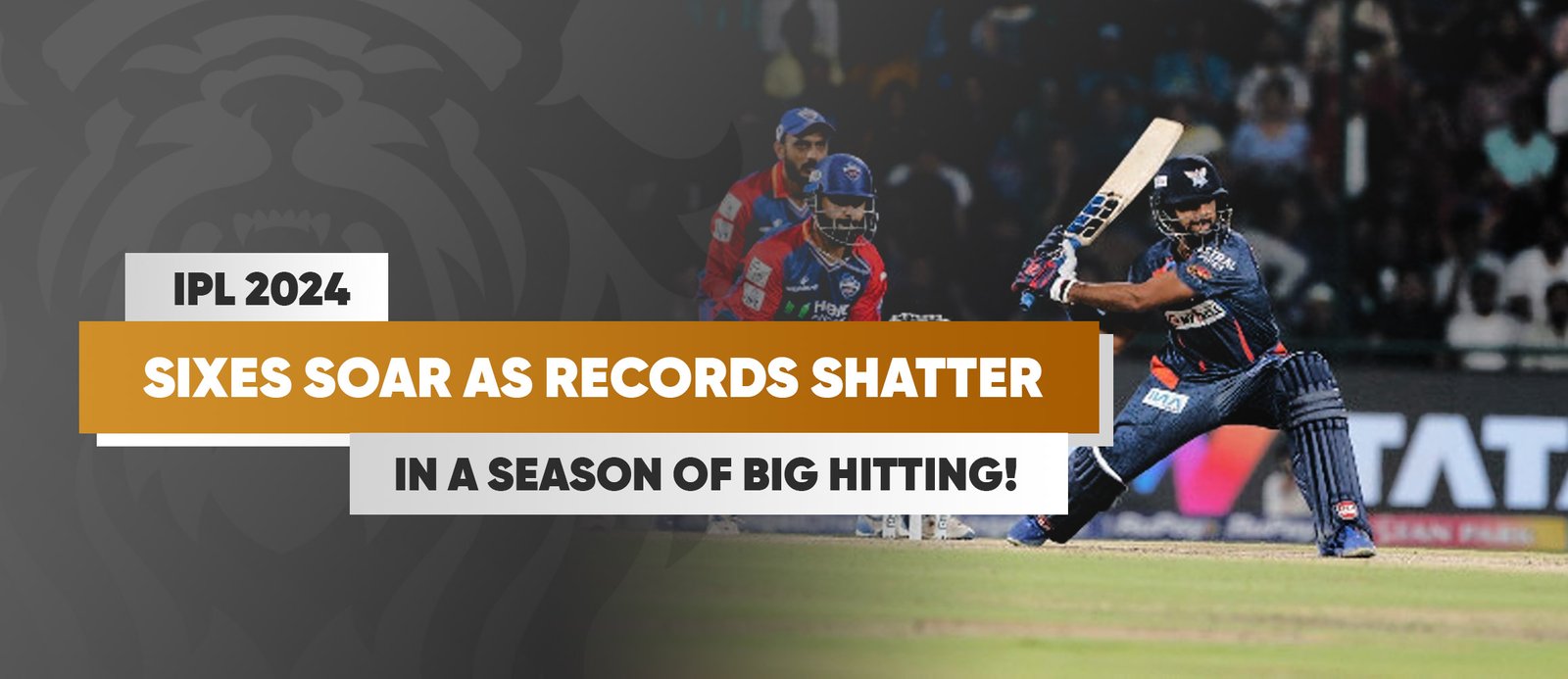
IPL 2024: Sixes Soar as Records Shatter in a Season of Big Hitting!
• 16 May, 24 • by Champ11The recent Delhi Capitals vs Lucknow Super Giants match on May 14 rewrote history. With 20 towering sixes hit, the IPL season's total tally of maximums of 1125 sixes!
-
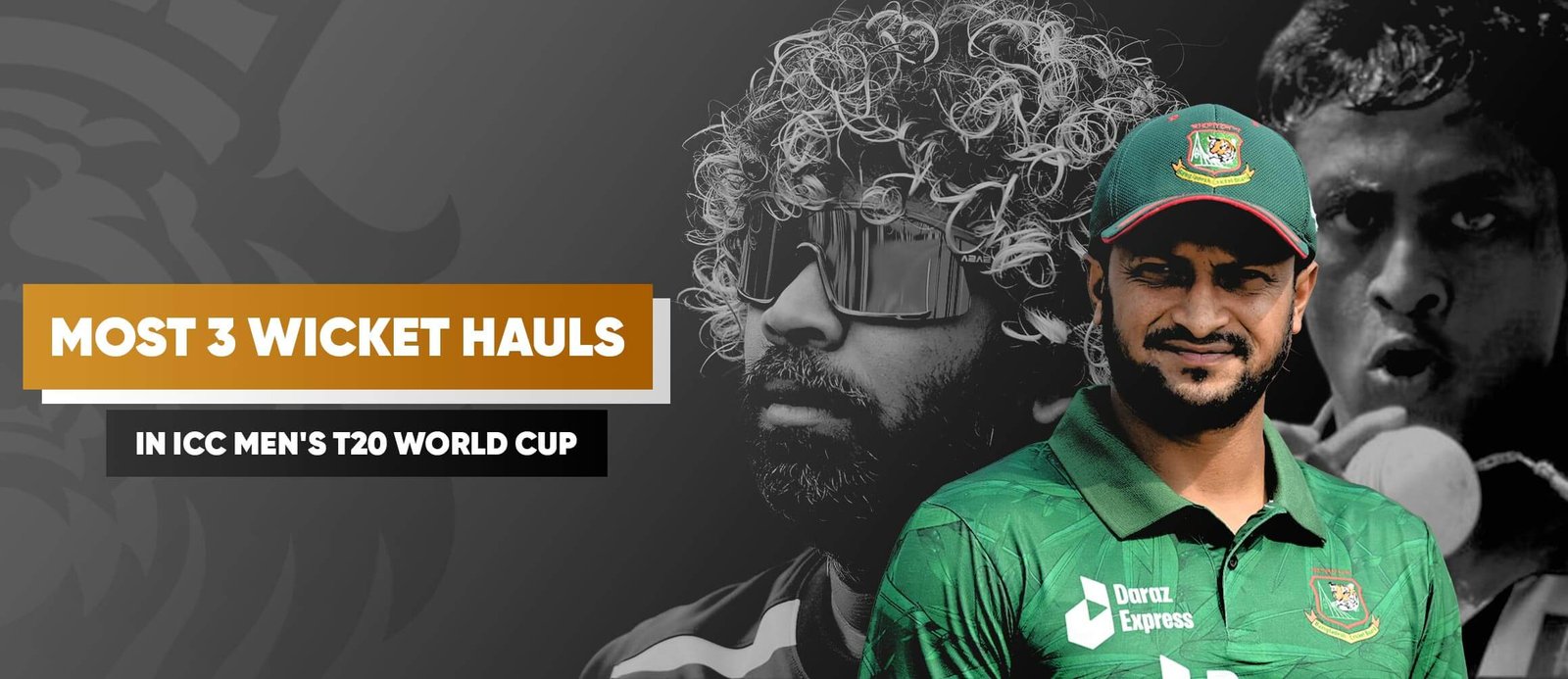
Most 3 Wicket Hauls in ICC Men’s T20 World Cup
• 03 May, 24 • by Champ11The ICC Men's T20 World Cup is a pressure cooker of a tournament. Spinners play a vital role, puzzling batsmen with their confusing deliveries. But who are the kings of taking wickets in bunches? Let's look at the top five bowlers with the most three-wicket hauls in T20 World Cup history: Leading the pack is the Pakistani magician, his mystery spin left batsmen.
-

International Masters League 2024 Complete Schedule Revealed
• 09 Oct, 24 • by Champ11The inaugural edition of the highly anticipated International Masters League (IML) is ready to kick off from November 17 to December 8, 2024.