

India’s Selection Headache: Who Fills the Test Batting Gaps vs Sri Lanka?
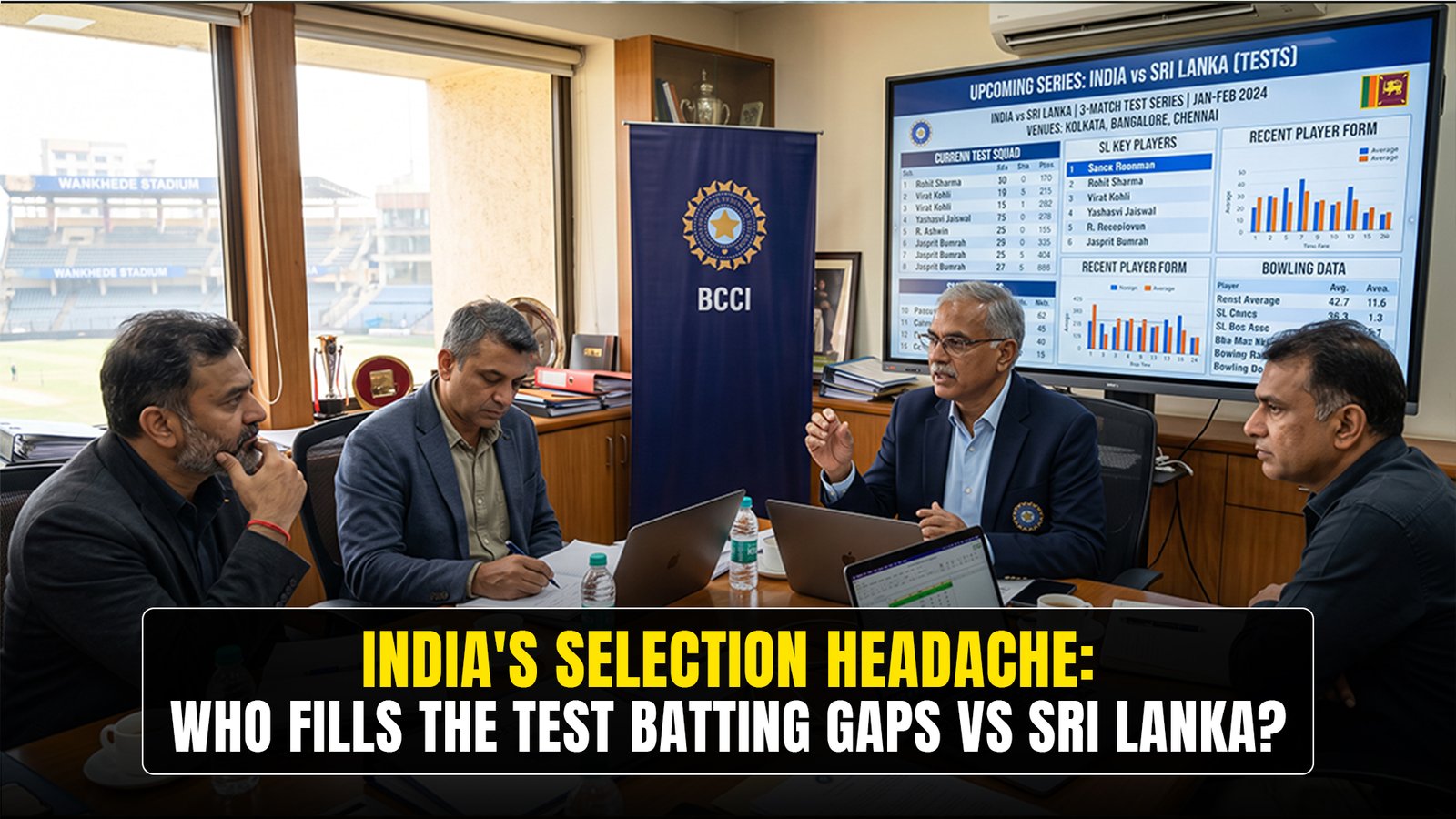
For over a decade, picking India’s Test batting line-up was one of the easiest jobs in cricket. You wrote down the same iconic names, in the same order, and got on with your day. Those days are gone. As India prepare for a tricky two-Test tour of Sri Lanka in August 2026, the selectors face a genuine puzzle: how do you replace a generation of legends all at once?
This is India’s great selection headache. With batting spots suddenly up for grabs and unforgiving spinning pitches awaiting in Galle and Colombo, the choices made now could shape the team for years.
The End of an Era: How the Gaps Appeared
To understand the current dilemma, you have to appreciate the scale of the exodus that created it.
In a remarkably short span, India’s fabled batting core dismantled itself. Following the 2023 World Test Championship final, Cheteshwar Pujara and Ajinkya Rahane were eased out. Then came the big one: Virat Kohli and Rohit Sharma, along with the great off-spinning all-rounder Ravichandran Ashwin, retired from Test cricket one by one ahead of the new WTC cycle.
The result is a batting order stripped of its spine. Of the group that dominated the 2010s, only KL Rahul and Ravindra Jadeja remain as senior figures. The middle order that once picked itself now resembles a blank canvas, and the selectors must fill it while chasing points in a demanding championship race.
The New Core: Who Is Already Locked In
Amid the uncertainty, a fresh nucleus has begun to take shape.
Captain Shubman Gill leads the transition, having taken over the top job and settled into a senior batting role. Alongside him, the swashbuckling opener Yashasvi Jaiswal has established himself as one of the most exciting young batters in world cricket, while wicketkeeper Rishabh Pant provides explosive, match-turning ability in the middle order. KL Rahul, now the vice-captain, anchors the top order with the calm of a seasoned campaigner.
These four form the settled part of the equation. The headache lies in the spaces around them, particularly the crucial number three position and the lower-middle order, where the competition is fierce and the answers are far from obvious.
The Contenders for the Middle-Order Vacancies
This is where the selection drama truly unfolds. Several talented players are jostling for a limited number of spots, each with a compelling case.
The Sudharsan Setback and Sarfaraz’s Return
The plan appeared to involve the elegant left-hander Sai Sudharsan slotting in at number three. However, an injury ruled him out of the tour, instantly reopening the debate. Into the frame stepped Sarfaraz Khan, the prolific Mumbai run-machine recalled on the back of a mountain of domestic runs. With six Tests, a century and the temperament for a scrap already to his name, Sarfaraz offers proven middle-order grit and a hunger to cement a place he feels he has earned the hard way.
The Padikkal and Jurel Factor
Sarfaraz is not the only option. Devdutt Padikkal, a stylish left-hander, pressed his claims with a century in the warm-up match against a Sri Lanka Board XI, making him a strong candidate for the number three role on these surfaces. Meanwhile, Dhruv Jurel, the highly-rated young wicketkeeper-batter, adds further depth and the flexibility to bat in the middle order, giving the selectors an intriguing blend of styles to choose from.
Spin, Conditions and the Selection Puzzle
In Sri Lanka, no selection conversation is complete without addressing the pitches, which change everything. These shifting ground realities do not just dictate team selection; they also heavily drive live market assessments on every major sport betting exchange, where team composition, pitch conditions, and line-up choices directly influence session odds and match futures.
Why Galle and Colombo Demand Specialists
Galle and Colombo are traditionally slow, turning tracks where spin dominates and patience is priceless. This tilts the balance towards players with proven technique against quality spin and the discipline to build long innings rather than chase quick runs. It also explains why India loaded the squad with spin-bowling options and lower-order batting all-rounders, seeking that delicate balance between runs and wickets on surfaces that reward both.
The batting contenders, therefore, are being judged not just on raw talent but on their suitability for these specific, unforgiving conditions. A player who thrives on flat home pitches may not be the right pick for a Galle turner, adding yet another layer to an already complex decision.
The pressure on these fresh faces to perform is immense, and it is worth remembering that transition is nothing new for this team. India’s entire journey, chronicled in this account of the history of Team India in international cricket, has been defined by exactly these moments, where young players inherited daunting expectations and, more often than not, rose to meet them. Every legend who just departed was once an unproven newcomer facing a similar test.
The Verdict: A Chance, Not a Crisis
It is tempting to frame India’s situation as a crisis, but that misses the bigger picture.
Yes, replacing multiple legends simultaneously is daunting, and there will be growing pains, as recent series results have shown. But this transition is also a rare opportunity, handing ambitious, in-form players a genuine pathway to Test cricket that did not exist a couple of years ago. The likes of Sarfaraz Khan and Devdutt Padikkal are not just filling gaps; they are auditioning to become the next generation of India’s Test batting, and the Sri Lanka series is their stage.
Conclusion
India’s Test batting headache against Sri Lanka is one of the most compelling storylines in world cricket right now. The retirements of an entire golden generation have left the selectors with tough calls at number three and beyond, with Sarfaraz Khan, Devdutt Padikkal and others competing to seize their moment on challenging subcontinental pitches. It is a genuine puzzle, but also a thrilling one, because the players who answer it could define Indian cricket for the next decade. The gaps are real, the pressure is on, and a new chapter of Indian Test batting is about to be written, one innings at a time.
Frequently Asked Questions (FAQs)
- Why does India have batting gaps for the Sri Lanka Test series? The gaps stem from a wave of retirements, with Virat Kohli, Rohit Sharma and Ravichandran Ashwin all leaving Test cricket after the earlier exits of Cheteshwar Pujara and Ajinkya Rahane.
- When and where is the India vs Sri Lanka 2026 Test series? The two-match series takes place in August 2026, with the first Test in Galle from August 15 and the second in Colombo from August 23.|
- Who is captaining India for the Sri Lanka Tests? Shubman Gill continues as India’s Test captain, with KL Rahul named vice-captain to guide the transitioning side.
- Who could replace the injured Sai Sudharsan at number three? With Sudharsan ruled out through injury, Devdutt Padikkal, who scored a warm-up century, and the recalled Sarfaraz Khan are the leading contenders for the number three spot.
- Why are Sri Lankan conditions important for selection? Pitches in Galle and Colombo are slow and spin-friendly, so India favour batters with strong technique against spin and the patience to build long innings.
- Is India’s batting transition a crisis? Not necessarily. While replacing several legends at once is challenging, it also offers a genuine opportunity for young players like Sarfaraz Khan and Devdutt Padikkal to establish themselves.
-
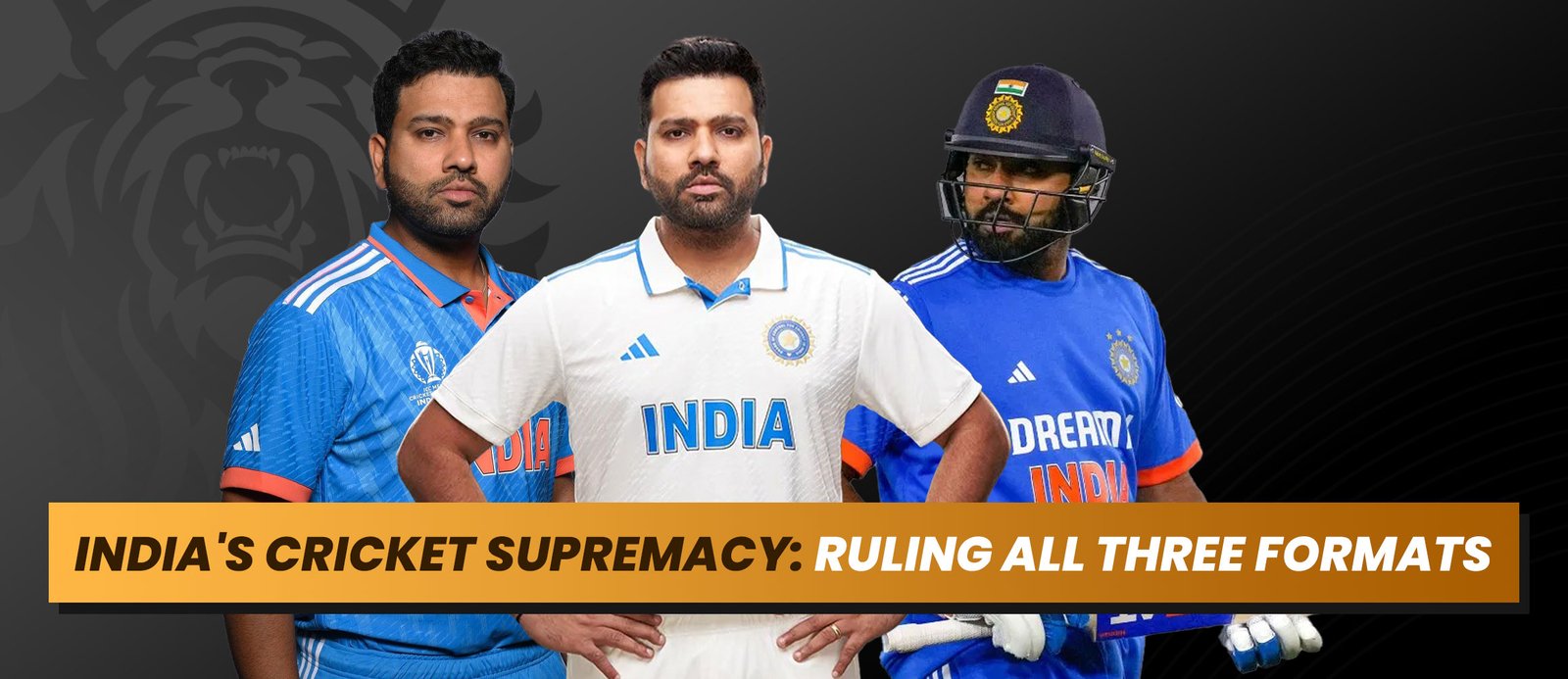
India’s Cricket Supremacy: Ruling All Three Formats
• 11 Mar, 24 • by Champ11Indian cricket fans are celebrating a historic moment! Team India has ascended to the pinnacle of the ICC rankings in all three major formats: Test Matches, One Day Internationals (ODIs), and Twenty20 Internationals (T20Is). This comes after their impressive five-match series 4-1 win against England in a five-match Test series and claiming the top spot
-
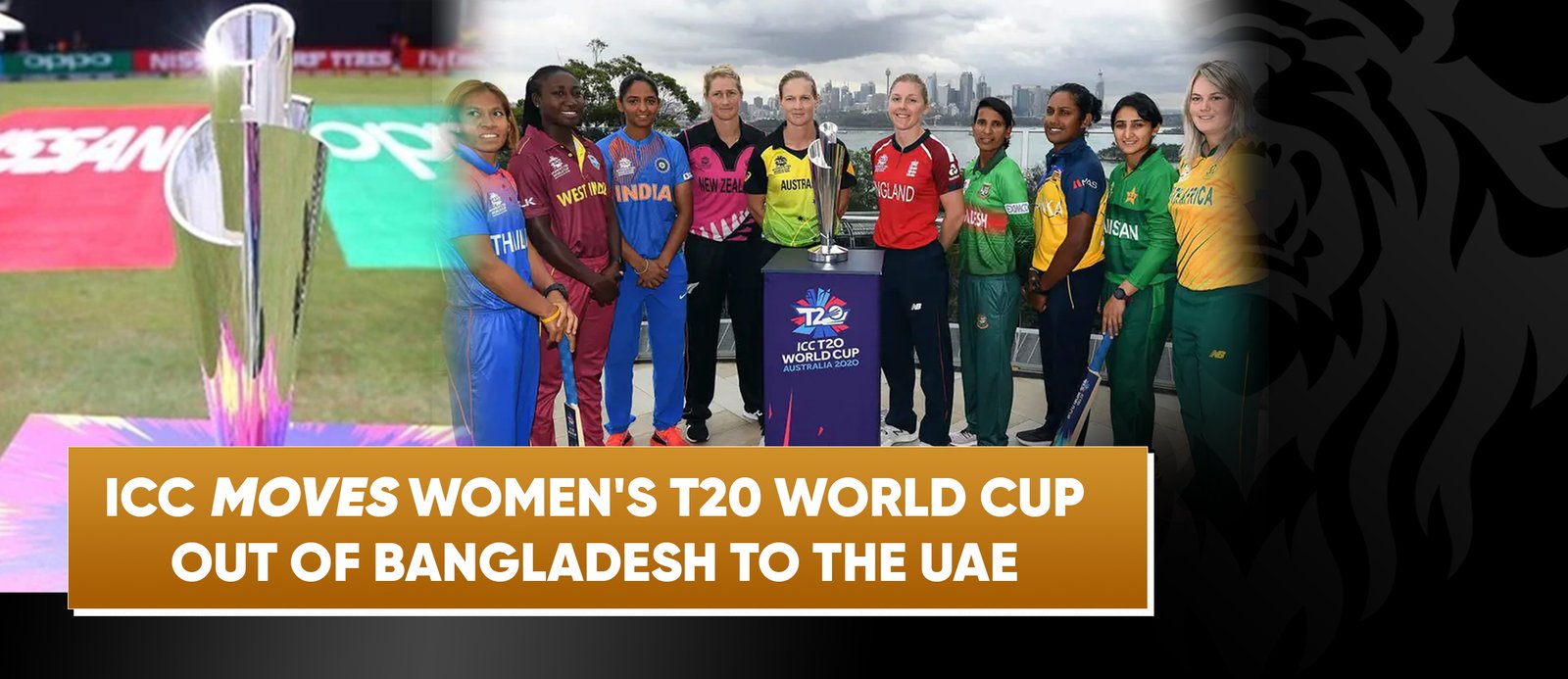
ICC moves women’s T20 World Cup out of Bangladesh to the UAE
• 22 Aug, 24 • by Champ11The International Cricket Council (ICC) has made the decision to move the upcoming Women's T20 World Cup 2024 out of Bangladesh and host it in the United Arab
-
Afghanistan Set to Host New Zealand and South Africa in Historic Cricket Series
• 04 Sep, 24 • by Champ11Afghanistan is on the brink of making history as it prepares to host two of the world's top cricketing nations,