

The Hundred Goes Fully Privately-Owned in 2026: A New Era for English Cricket
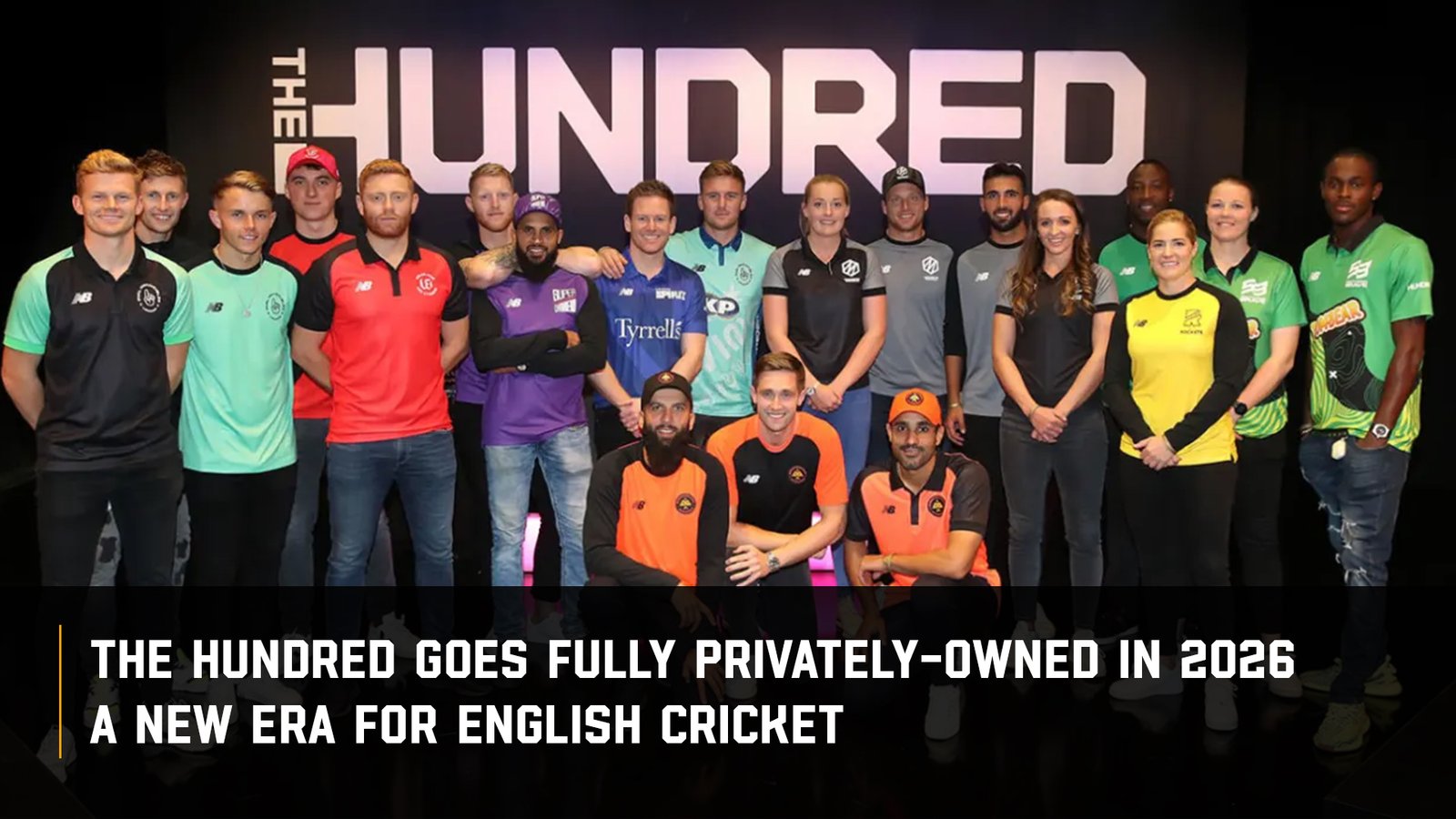
For five seasons, The Hundred belonged to English cricket’s establishment. From 2026, The Hundred enters a new commercial era, with all eight franchises backed by private investors ranging from IPL ownership groups to American investment firms. While the ECB continues to govern the competition, franchise ownership has shifted dramatically, marking one of the biggest commercial changes in English cricket. In a move the ECB itself called “seminal,” the century’s most radical shake-up of the domestic game has arrived, and it has changed the sport in England forever.
The numbers alone are staggering: a sale process that valued the eight teams at close to a billion pounds and raised over £500 million in fresh capital. But the story is about far more than money. It is about control, identity and the future direction of a sport wrestling with its own commercial ambitions. This is what it means now that The Hundred has gone fully privately-owned.
What Actually Changed in 2026?
To understand the significance, you first need to understand what The Hundred used to be.
When it launched in 2021, all eight teams were owned centrally by the England and Wales Cricket Board. It was a closed, tightly controlled competition, deliberately built around short matches, iconic venues and a family audience, with men’s and women’s cricket sharing the same stage.
That ownership model has now been fundamentally restructured. During 2025, the ECB completed the sale of stakes in all eight franchises, with private investors pouring in more than £500 million. As part of the restructuring, the ECB transferred majority ownership of each franchise to the host counties (or MCC in London’s case) before selling its own 49% stake to strategic investors. Some counties later sold additional shares, allowing private investors to acquire majority control.IPL Ownership Groups Expand.
Who Bought In? The New Power Players
The list of new owners reads like a who’s who of global sports money, and it points firmly in one direction.
IPL Ownership Groups Expand
The most striking feature of the sale is the arrival of Indian Premier League money. Four of the eight teams are now linked to IPL franchise ownership groups, bringing the commercial firepower and brand expertise of the world’s biggest cricket league directly into English cricket. The Ambani-owned Reliance group, which runs Mumbai Indians, took a major stake in the Oval Invincibles, since rebranded as MI London, a clear signal of how these global brands intend to operate.
American and Global Capital
The money is not only Indian. Chelsea FC co-owner A consortium led by Todd Boehly’s Cain International and Ares Management acquired the ECB’s 49% stake in Trent Rockets, adding prominent American investment to the competition. US-based investment groups moved in elsewhere too, with firms like Knighthead Capital taking a stake in Birmingham Phoenix. The result is a competition whose ownership now stretches from Mumbai to New York, mirroring the globalised model of elite football.
The Ripple Effects on the Game
Private ownership does not just change who signs the cheques. It reshapes how the entire competition operates, from squad building to real-time market dynamics on every major sport betting exchange, where franchise rebrands, salary cap increases, and auction strategies now directly influence live odds and tournament futures.
From Draft to Auction
Perhaps the most visible change for players and fans is the death of the egalitarian draft. The old system, designed to spread talent evenly, has been replaced by a high-stakes player auction, held in London, that lets wealthy franchises flex their financial muscle. Player salary bands and retention rules are intended to preserve a degree of competitive balance while allowing franchises greater freedom to build their squads.
Rebrands, Kits and New Identities
New owners want their own stamp on their assets. Some franchises have already adopted new identities under their owners, while others have introduced updated branding and kits. The most prominent example is Oval Invincibles becoming MI London following investment from Reliance Industries. For long-time fans, seeing familiar franchises transformed into extensions of global brands has been one of the more emotional aspects of the change.
The Big Debate: Boom or Sell-Off?
Few developments in English cricket have divided opinion as sharply as this one.
Supporters argue the move was necessary survival. A centrally owned competition, they point out, simply could not compete with the investment flowing into global leagues. The £500 million-plus windfall is being redistributed across the game, with a significant sum earmarked for the 18 first-class counties and a mandated minimum for grassroots cricket. In this view, private capital secures the long-term financial health of the entire English game.
Critics argue the sales could reduce the ECB’s influence over the competition and increase the commercialisation of English cricket. They warn that the ECB, by selling controlling stakes, has surrendered its ability to steer a competition it created, describing it as a short-term financial “sugar rush.” There are fears about foreign ownership diluting English cricket’s identity, questions over which overseas players can be selected, and concerns that the traditional county game could be permanently reshaped by forces it cannot control. It is a world away from the century-old, board-run pathways that still develop most Test cricketers, such as those explored in this look at India’s domestic cricket structure, and that contrast between heritage and commercial reinvention sits at the heart of the debate.
Conclusion
The Hundred’s move to private franchise investment represents one of the biggest commercial changes in modern English cricket. By selling its stakes in the franchises while retaining governance of the competition, the ECB has attracted substantial investment that could strengthen county and grassroots cricket. Whether this proves to be a financial masterstroke or fundamentally reshapes English cricket’s identity will become clearer over the coming seasons. The upside is enormous: a cash injection that could secure the county game and grassroots cricket for a generation. The risk is just as real: a loss of control, identity and independence that may prove impossible to reverse. Whether history remembers this as a masterstroke or a sell-off, one thing is certain. English cricket has crossed a line it can never step back over, and the game will never be quite the same again.
Frequently Asked Questions (FAQs)
- What does it mean that The Hundred is now privately-owned? It means the eight teams, previously owned centrally by the ECB, are now controlled by private investors. During 2025 the ECB sold stakes in all eight franchises, and the 2026 season is the first to run fully under private ownership.
- How much money did the ECB raise from the sale? The sale of stakes raised more than £500 million in fresh investment, with the eight teams collectively valued at close to £1 billion during the process.
- Which teams are linked to IPL owners? Four of the eight teams are connected to IPL franchise ownership groups. Most notably, the Reliance group that owns Mumbai Indians took a major stake in the Oval Invincibles, now rebranded as MI London.
- How were the ownership stakes split? The ECB gave host counties a 51 percent stake in each team and sold its own 49 percent share to private investors. In several cases, counties then sold parts of their holdings, giving private owners majority control.
- What happened to the player draft? The original draft system has been replaced by a player auction, allowing franchises to bid competitively for talent. A tiered salary cap and retention rules are used to maintain a degree of competitive balance.
- Why is the privatisation controversial? Supporters say it secures cricket’s financial future and funds the county and grassroots game. Critics argue the ECB has given up control of a competition it created and worry about foreign ownership affecting English cricket’s identity.
-
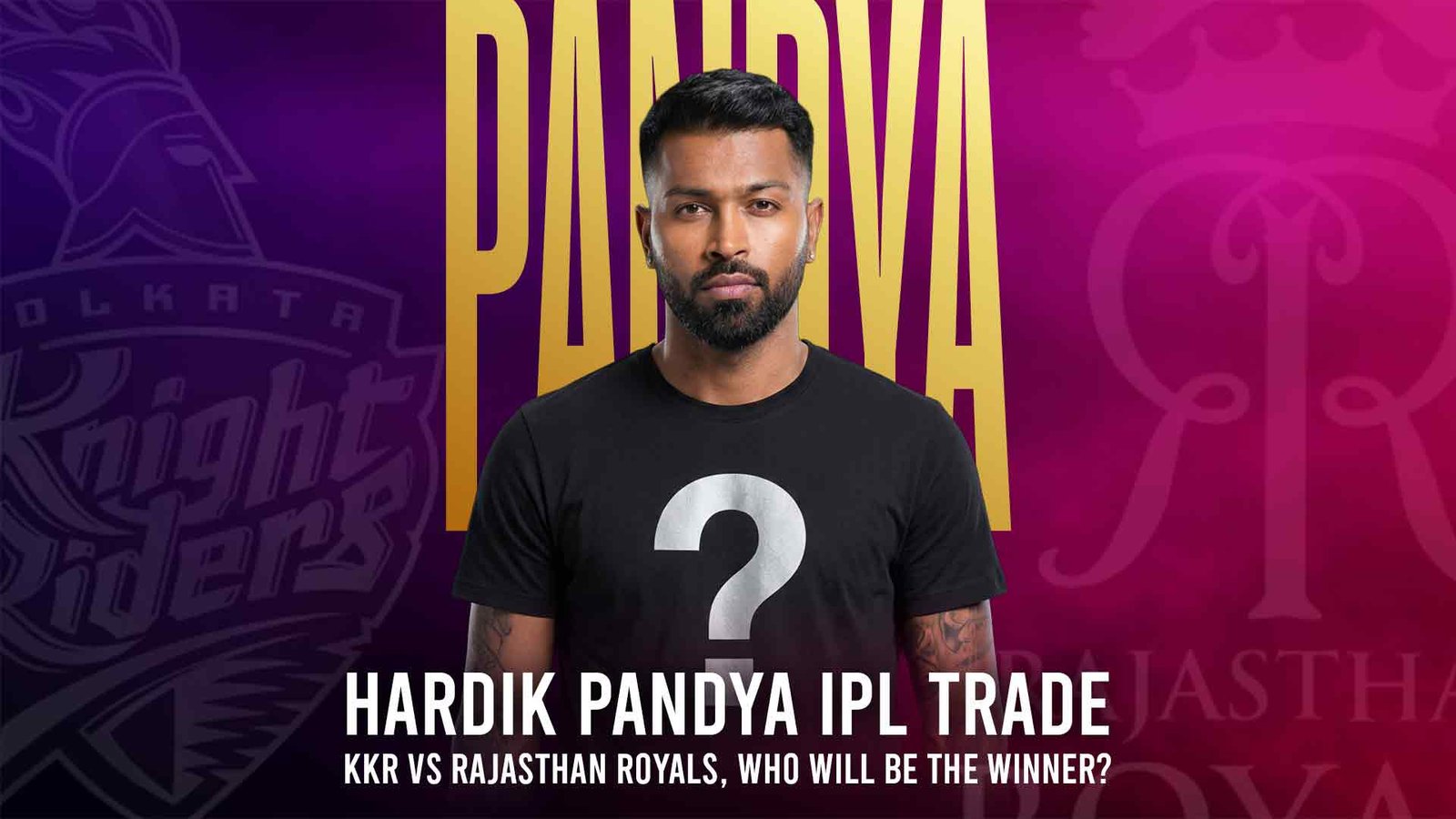
Hardik Pandya IPL Trade: KKR vs Rajasthan Royals, Who Will Be the Winner?
• 01 Jul, 26 • by Champ11A five-time IPL champion is ready to let go of the man it handed the captaincy to just three seasons ago.
-
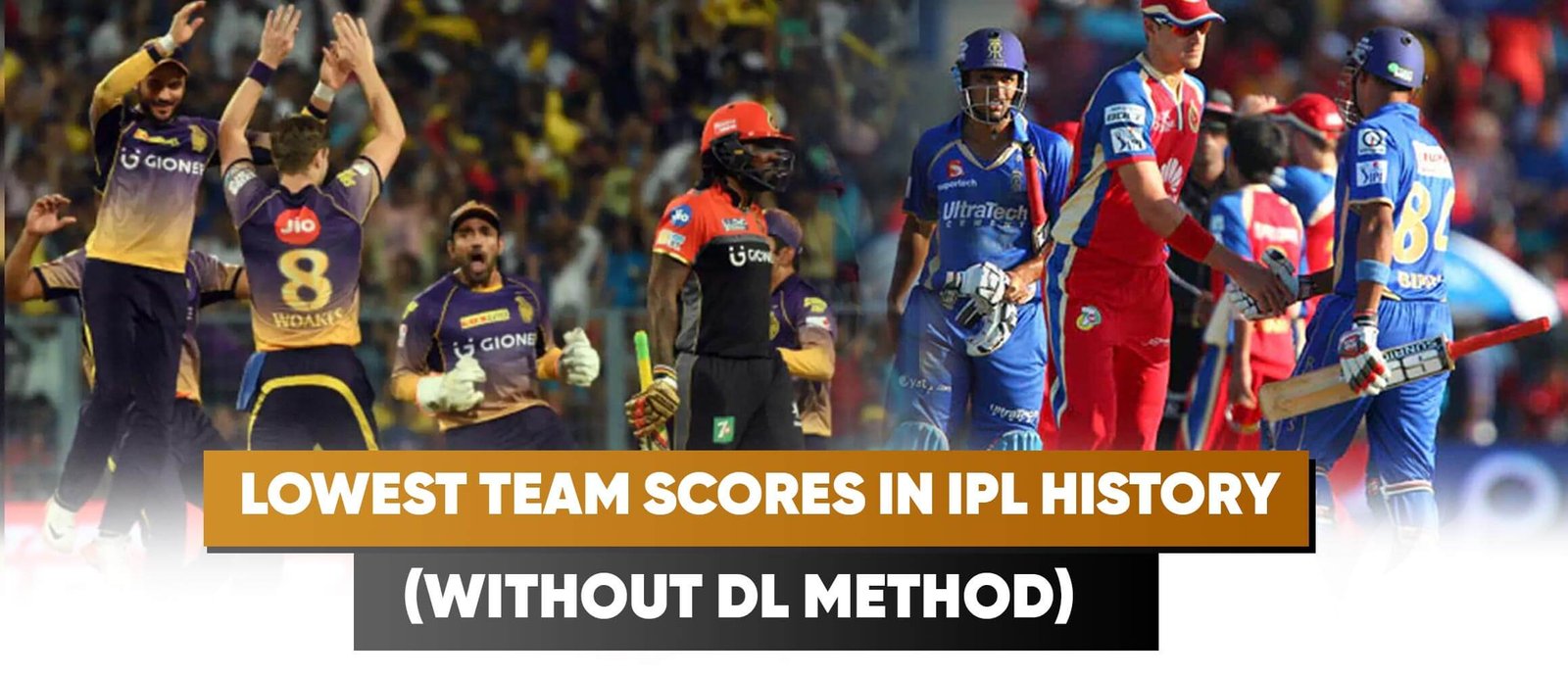
Lowest Team Scores in IPL History (Without DL Method)
• 22 Mar, 24 • by Champ11The Indian Premier League, or IPL, is a cricket tournament known for its fast-paced, high-scoring matches. However, amidst the fireworks of boundaries and sixes, there have been some surprisingly low scores throughout its history. Let's take a look at some of the lowest team totals ever recorded in the IPL. In a match that defied expectations,
-
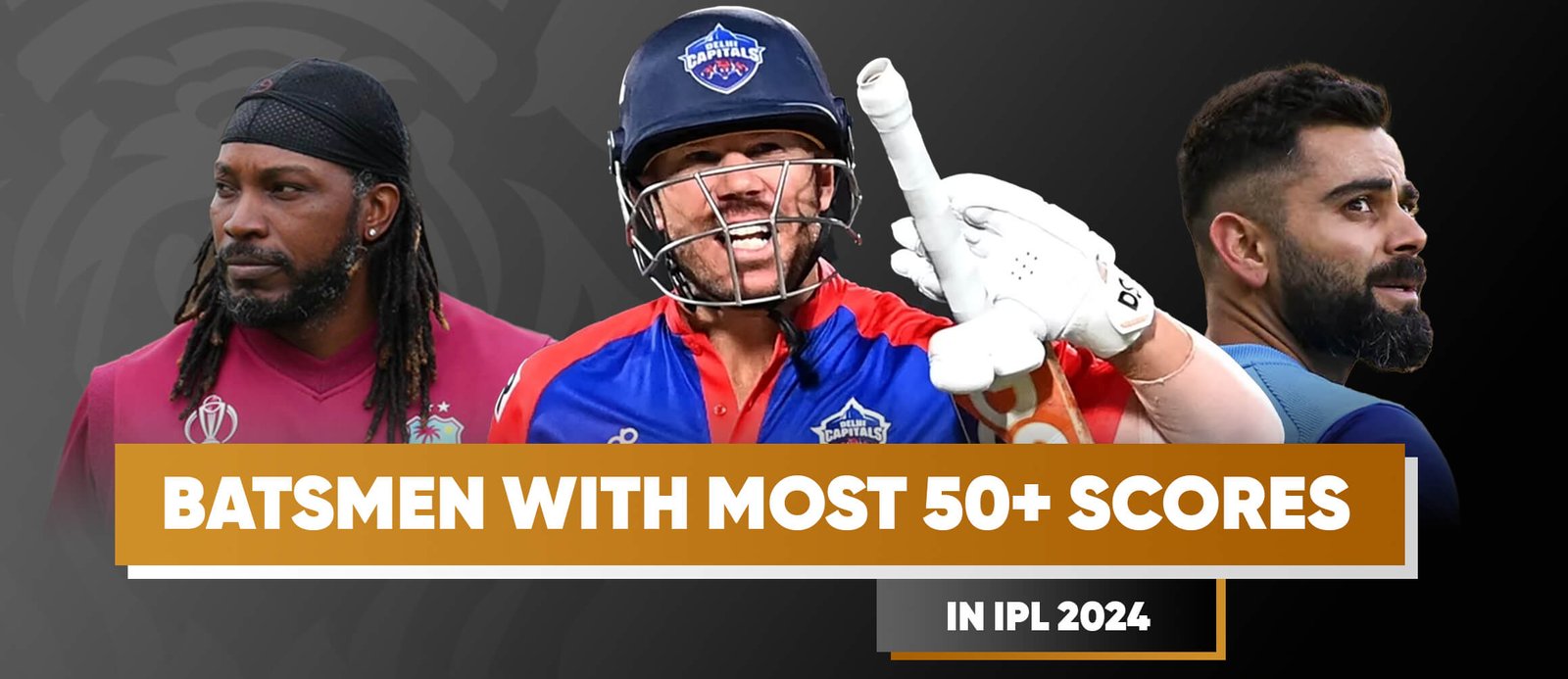
Batsmen With Most 50+ Scores in T20 Cricket
• 08 Apr, 24 • by Champ11T20 cricket is a fast-paced game where batsmen are all about hitting big and scoring runs quickly. But while some players go all out for big sixes, a special few manage to find a balance between aggression and consistency. These are the batsmen who not only score a lot of runs but also do it very frequently, racking up a high number of scores above 50 runs (50+ scores).