

How India’s Domestic Cricket Structure Works: Ranji Trophy, Duleep Trophy Explained
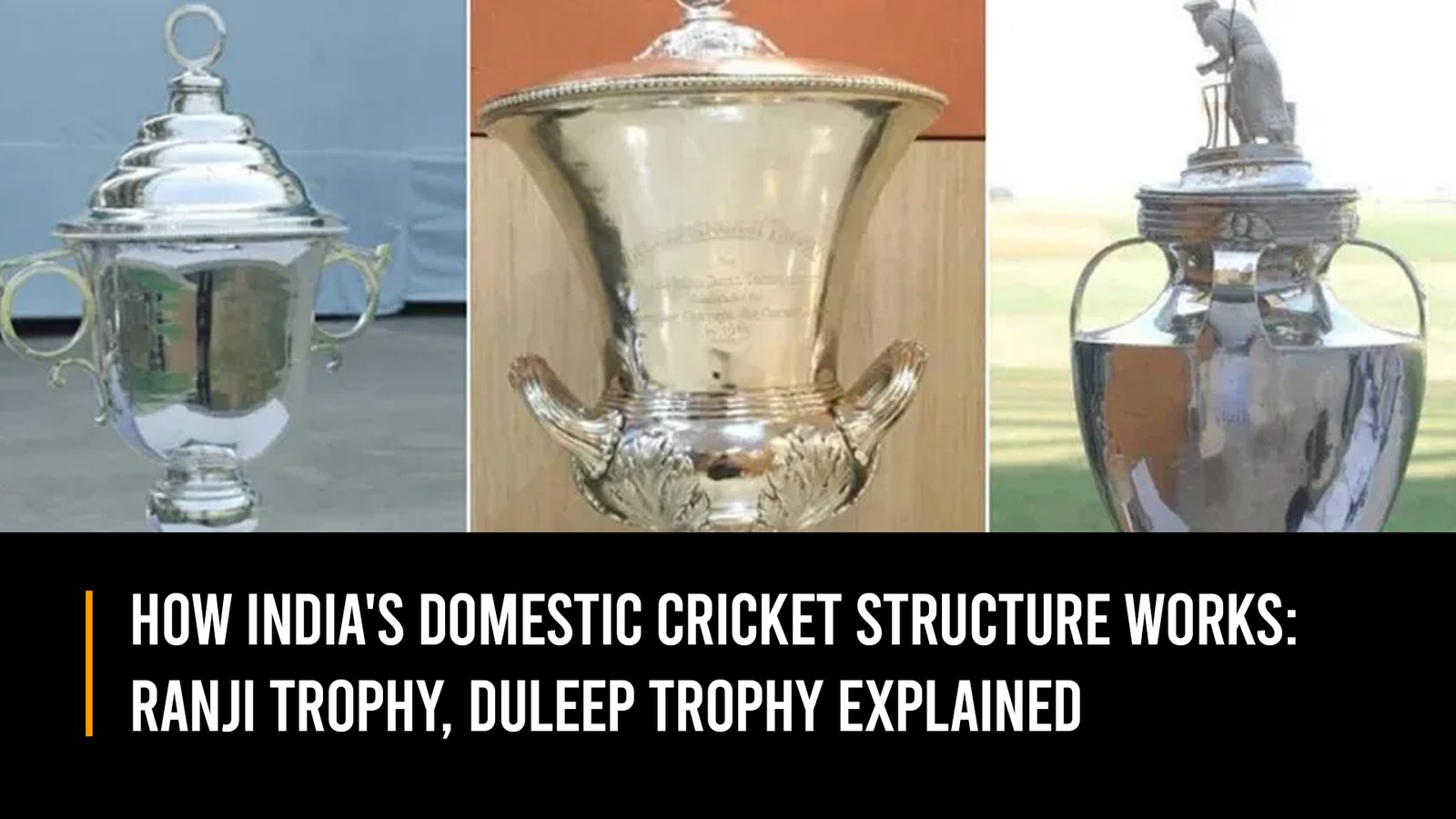
Every superstar you cheer for in an India jersey, from Virat Kohli to Jasprit Bumrah to Yashasvi Jaiswal, was forged in the same furnace: Indian domestic cricket. Yet for millions of fans who follow every ball of the IPL, the domestic circuit remains a mystery. What exactly is the Ranji Trophy? How is the Duleep Trophy different? And how does a player climb from a dusty district ground to a packed international stadium?
This guide breaks down India’s domestic cricket structure in plain language: the tournaments, the formats, and the pathway that turns raw talent into national heroes.
The Big Picture: How Indian Domestic Cricket Is Organised
The Board of Control for Cricket in India (BCCI) runs the entire domestic ecosystem, and it mirrors international cricket’s three formats. There are multi-day red-ball tournaments (Ranji Trophy, Duleep Trophy, Irani Cup), a 50-over competition (Vijay Hazare Trophy), and a T20 event (Syed Mushtaq Ali Trophy).
The teams are built around state and regional associations such as Mumbai, Karnataka, Bengal and Punjab, with 38 sides competing across the country. Above them sit zonal teams (North, South, East, West, Central and North East), which pool the best talent from each region for select tournaments.
A typical BCCI domestic season now runs from late August to March. Since the 2024-25 season, the Ranji Trophy has been split into two phases, with the white-ball tournaments sandwiched in between. It is a scheduling move designed to dodge the fog and bad light that plague north and east India in peak winter.
The Ranji Trophy: The Heartbeat of Indian Cricket
If Indian domestic cricket were a body, the Ranji Trophy would be its beating heart. Named after Ranjitsinhji, the legendary batter who dazzled England in the 1890s, the tournament has been running since 1934 and remains the ultimate test of a first-class cricketer in India.
Format and Structure
Here’s how the modern Ranji Trophy works:
- 38 teams are divided into an Elite Group (32 teams in four groups of eight) and a Plate Group (6 teams).
- Each side plays seven league matches in the group stage, earning points for outright wins, first-innings leads and draws.
- The top two teams from each Elite group advance to the quarterfinals, followed by semifinals and a five-day final.
- Plate teams fight for promotion, while the weakest Elite side faces relegation, so every match carries real stakes.
Matches are played over four days (the final over five), on pitches that test technique, temperament and stamina in ways T20 cricket simply cannot.
Why the Ranji Trophy Matters
The Ranji Trophy is where Test cricketers are made. A batter who churns out 800-plus runs in a season instantly enters the national selection conversation, while 40 wickets on unforgiving Indian surfaces says more to selectors than any highlight reel. Vidarbha’s title-winning run in 2024-25, their third crown, showed exactly how a well-drilled domestic unit can dominate.
The Duleep Trophy: Where Zones Collide
While the Ranji Trophy pits state against state, the Duleep Trophy raises the bar. Named after Duleepsinhji, Ranjitsinhji’s equally gifted nephew, this first-class tournament brings together the best performers from entire regions.
The Return of the Zonal Format
Between 2016 and 2024, the BCCI experimented freely with the Duleep Trophy, trying neutral venues, pink-ball games and selector-picked squads named India A, B, C and D. But from the 2025-26 season, the board restored the traditional zonal format, with six teams (North, South, East, West, Central and North East Zone) battling in a knockout bracket at the Centre of Excellence in Bengaluru.
The stakes are brutal: one bad match and a zone’s campaign is over. That pressure-cooker environment is deliberate, because selectors want to see who performs when there’s no second chance, exactly the temperament Test cricket demands.
The tournament traditionally opens the domestic season, making it a shop window for players eyeing India’s home Test summer.
Completing the Circuit: Irani Cup, Vijay Hazare and Mushtaq Ali
Three more tournaments complete India’s domestic cricket structure:
- Irani Cup: A one-off, five-day showpiece between the reigning Ranji Trophy champions and a Rest of India XI. Winning it is a badge of honour; dominating it is a selection statement.
- Vijay Hazare Trophy: The premier 50-over tournament and the proving ground for ODI aspirants, now featuring a Plate Division to keep contests competitive.
- Syed Mushtaq Ali Trophy: India’s domestic T20 championship, and effectively the IPL auditions. A breakout season, complete with the new Super League phase, can turn an unknown into a crorepati overnight. With the skyrocketing popularity of these short-format games, fan engagement has also spilled over onto digital platforms and cricket exchange betting sites, where enthusiasts closely track the performance metrics and odds of emerging prospects.
Together, these tournaments ensure a player is tested across every format before the national selectors come calling.
From Domestic Grind to the Indian Jersey
So how does the pathway work? A young cricketer climbs from age-group cricket (Under-16, Under-19, Under-23) into their state’s Ranji squad. Consistent Ranji performances earn a Duleep Trophy call-up; dominate there, and India A tours or a national berth follows.
Crucially, the traffic flows both ways. Established internationals regularly return to domestic cricket to rediscover form or stake a comeback claim, and the Duleep Trophy has become the stage of choice. A perfect example came when Ishan Kishan’s first-class comeback in the 2024 Duleep Trophy , scoring 111 off 126 balls after more than a year away from the format. It was an innings that instantly reignited his red-ball credentials.
The BCCI has also sweetened the deal, boosting match fees and prize money to reward domestic performers, ensuring the circuit remains a career in itself and not merely a stepping stone.
Conclusion
India’s domestic cricket structure is a beautifully layered pyramid: 38 state teams grinding through the Ranji Trophy, regional champions clashing in the Duleep Trophy, and white-ball specialists rising through the Vijay Hazare and Syed Mushtaq Ali trophies. Every layer filters talent and feeds the next level, which is why India can lose a star to injury and replace him with someone equally hungry. The next time a “surprise” name appears in an India squad, remember: to those who follow the domestic grind, it was never a surprise at all.
Frequently Asked Questions (FAQs)
- What is the difference between the Ranji Trophy and the Duleep Trophy? The Ranji Trophy is contested by 38 state teams, while the Duleep Trophy features six zonal teams made up of the best regional performers. Both are first-class (multi-day) tournambetweenents.
- How many teams play in the Ranji Trophy? 38 teams compete: 32 in the Elite Group (four groups of eight) and 6 in the Plate Group, with promotion and relegation them.
- What format does the Duleep Trophy follow now? From the 2025-26 season, it returned to the traditional zonal format: six zones playing a straight knockout tournament, with quarterfinals, semifinals and a final.
- What is the Irani Cup? A one-off first-class match between the reigning Ranji Trophy champions and a Rest of India side, traditionally played near the start of the season.
- Which domestic tournaments cover white-ball cricket in India? The Vijay Hazare Trophy (50 overs) and the Syed Mushtaq Ali Trophy (T20) are India’s premier domestic white-ball competitions.
- How do domestic performances lead to Team India selection? Selectors track Ranji and Duleep Trophy numbers for Test spots, and Vijay Hazare and Mushtaq Ali form for white-ball squads, with India A tours acting as the final bridge.
-

India Faces Tough Bowling Choices for New Zealand Test
• 15 Oct, 24 • by Champ11As India prepares to face New Zealand in the first Test of the three-match series starting October 16, today, the team management is grappling with a difficult decision
-
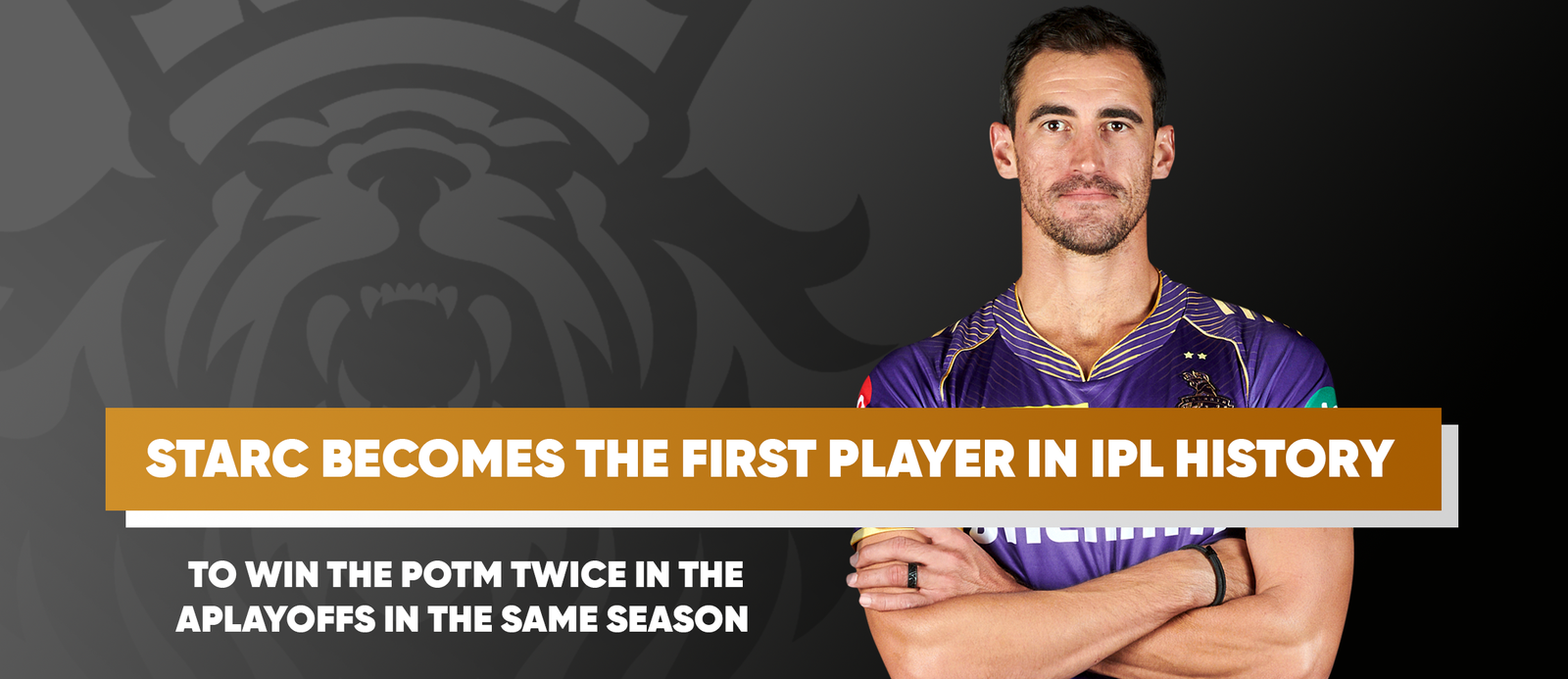
Starc Becomes the First Player in IPL History to Win the POTM Twice in The Playoffs in The Same Season
• 28 May, 24 • by Champ11Starc's journey from questioned buy to playoffs hero is an inspiration. He has proven that true champions rise to the challenge when the stakes are highest.
-
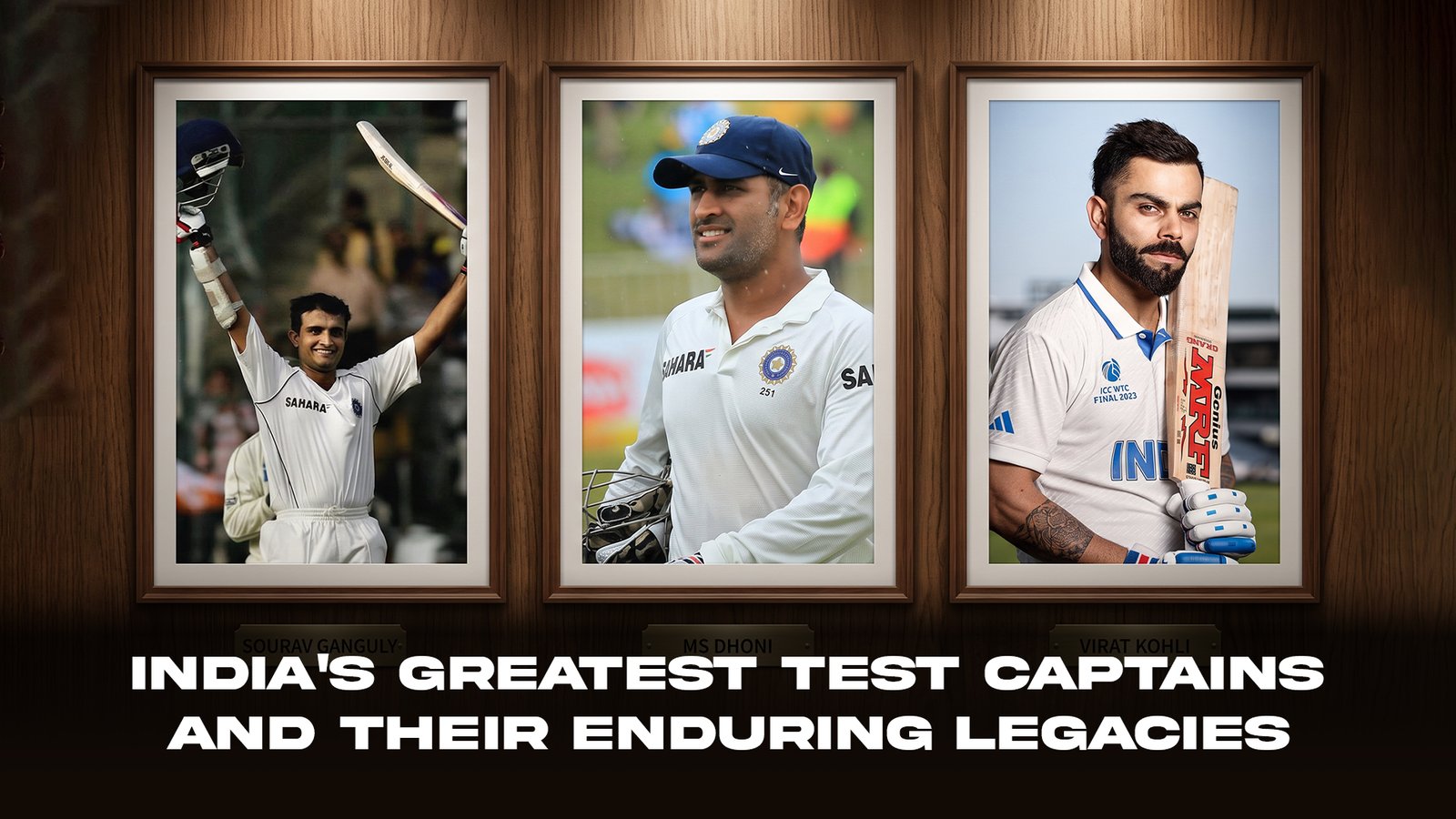
India’s Greatest Test Captains and Their Enduring Legacies
• 11 Aug, 26 • by Champ11A great captain does more than win the toss and set the field. He changes what a team believes is possible. India's transformation from timid tourists into a fearless global force