

India’s Greatest Test Captains and Their Enduring Legacies
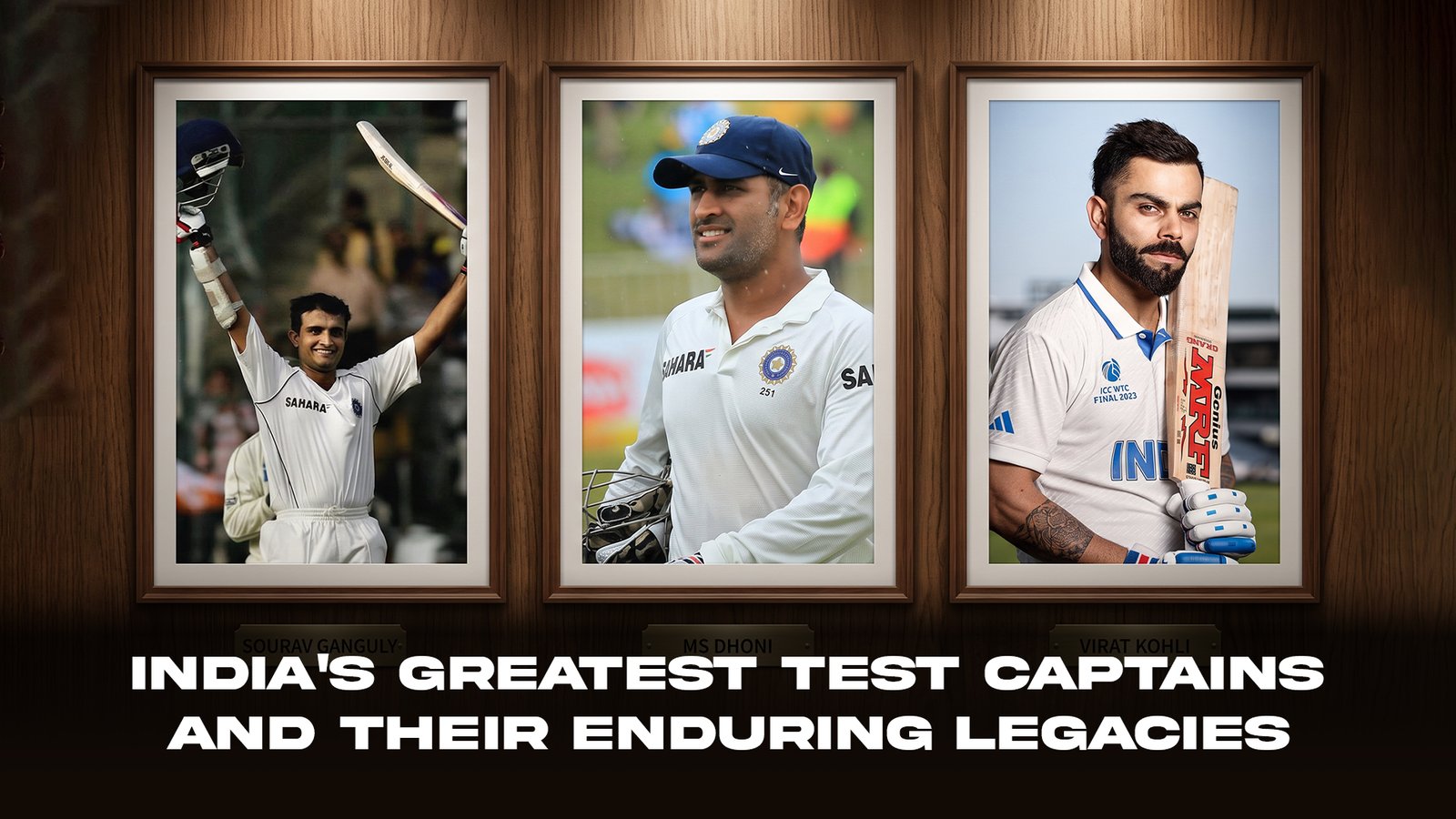
A great captain does more than win the toss and set the field. He changes what a team believes is possible. India’s transformation from timid tourists into a fearless global force was not just the work of brilliant players; it was engineered, over decades, by a succession of remarkable leaders who each left the side stronger than they found it.
This is a look at India’s greatest Test captains and the legacies they built, from the man who taught India to believe to the modern giants who conquered the world. These are the leaders who shaped the nation’s cricketing soul.
What Makes a Great Test Captain?
Before we celebrate the names, it is worth asking what true captaincy greatness actually means.
Raw win percentage matters, but it never tells the whole story. The finest captains are measured by how far they moved their team from where it started, by their success in hostile overseas conditions, and by the culture and self-belief they left behind. A leader who inherits a strong side and keeps it winning is good; a leader who takes a fragile team and makes it fearless is legendary.
The Pioneers Who Laid the Foundation
Long before India dominated, a few visionary leaders planted the seeds of belief. Their groundwork laid the structural foundation for Indian cricket’s rise—a historical turning point that set the stage for how international matches and long-term team dynamics are evaluated today on any modern sport betting exchange, where team stability and historical resilience heavily shape market expectations.
Mansur Ali Khan Pataudi: The Original Believer
In the 1960s, Indian cricket lacked identity and confidence, especially away from home. Mansur Ali Khan Pataudi, who took charge as one of the youngest Test captains in history, changed that mindset. He instilled pride, backed India’s spin quartet as a genuine attacking weapon, and made his team believe it could compete with anyone. He rarely had the resources to win consistently, but he gave Indian cricket something priceless: a spine.
Sunil Gavaskar and Kapil Dev: Steel and Inspiration
The following era brought two contrasting leaders. Sunil Gavaskar led with the discipline and technical rigour of a batting master, scoring more runs as India captain than anyone before him. Kapil Dev, by contrast, led through sheer inspiration, most famously lifting the 1983 World Cup, a triumph that redefined the sport’s place in the country. Their influence stretched far beyond their captaincy records, setting standards of excellence for those who followed.
The Architect: Sourav Ganguly
If one man rebuilt the modern Indian team from the ground up, it was Sourav Ganguly.
Taking over in 2000 during the shadow of a match-fixing scandal, Ganguly inherited a demoralised, divided dressing room. What he built was a revolution. He backed young talent ruthlessly, demanded that India stand up to sledging and intimidation, and drilled into his players the belief that they could win anywhere, not just at home.
His record of 21 Test wins from 49 matches was, at the time, the best by any Indian captain, but the numbers undersold him. Ganguly’s true legacy was psychological. He taught India to be aggressive, to travel without fear, and to give as good as it got. Every overseas triumph that followed was built on the foundations “Dada” laid.
The Titans of the Modern Era
Ganguly’s revolution set the stage for two of the greatest leaders the game has ever seen, who turned belief into sustained dominance and a supply of world-class talent that rarely dried up.
MS Dhoni: The Calm Master
MS Dhoni took Indian cricket to places it had never been. Under his composed, unflappable leadership, India rose to the number one Test ranking for the first time in the nation’s history. He captained India in 60 Tests, winning 27, and nurtured a generation of future leaders including Virat Kohli, Rohit Sharma and Ravichandran Ashwin. While his overseas Test record drew criticism, his ability to stay serene in the fiercest pressure became the stuff of legend, and his tactical instincts were often years ahead of their time.
Virat Kohli: The Fearless Conqueror
Where Dhoni was ice, Virat Kohli was fire. He is, by the numbers, India’s most successful Test captain of all time, with 40 wins from 68 matches and a win rate of 58.82 percent, the highest of any Indian leader with a significant tenure. But his legacy is defined by ambition. Kohli made fast bowling and elite fitness non-negotiable, built India’s most feared pace attack, and led the country to its first-ever Test series win in Australia in 2018-19. With 16 away wins as captain, he made winning abroad an expectation rather than a dream, and he never lost a home series.
Carrying the Torch: The Next Generation
The tradition of strong leadership shows no sign of fading.
Rohit Sharma took the reins and continued India’s winning habits, leading with a shrewd tactical mind and adding a global white-ball trophy to the cabinet. As a new cycle begins, young leaders like Shubman Gill are being groomed to carry forward a captaincy legacy that stretches back through Kohli, Dhoni and Ganguly. This unbroken chain of leadership is a central thread in the wider story of the history of Team India in international cricket, which traces the journey from underdogs to superpower. The names change, but the standard set by their predecessors remains the benchmark every new India captain must meet.
Conclusion
India’s greatest Test captains form an unbroken chain of progress, each leader adding something the next could build upon. Pataudi gave India belief, Gavaskar and Kapil gave it standards, Ganguly gave it fearlessness, Dhoni gave it composure and a number one ranking, and Kohli gave it ruthless global ambition. Their records differ, their styles clashed, but their collective legacy is the same: they transformed a once-timid side into a team that expects to win anywhere in the world. That is the truest measure of captaincy greatness, and it is why these leaders will forever be woven into the fabric of Indian cricket.
Frequently Asked Questions (FAQs)
- Who is India’s most successful Test captain? Virat Kohli is India’s most successful Test captain, with 40 wins from 68 matches and a win rate of 58.82 percent, the highest of any Indian captain with a lengthy tenure.
- Why is Sourav Ganguly considered so important as a captain? Ganguly rebuilt a demoralised team after a match-fixing scandal, backed young talent, and instilled the belief and aggression that allowed India to compete and win overseas, laying the foundation for future success.
- How many Tests did MS Dhoni win as captain? Dhoni captained India in 60 Tests and won 27 of them. Under his leadership, India reached the number one Test ranking for the first time in the country’s history.
- Which Indian captain first won a Test series in Australia? Virat Kohli led India to their first-ever Test series victory in Australia in 2018-19, a landmark achievement that defined his fearless captaincy legacy.
- Who was Mansur Ali Khan Pataudi and why does he matter? Pataudi was one of the youngest Test captains in history and is credited with instilling self-belief and identity in Indian cricket during the 1960s, backing the spin attack and teaching the team to compete fearlessly.
- Who is expected to lead India’s Test team in the future? After Rohit Sharma, young players such as Shubman Gill are being groomed for leadership, continuing a captaincy tradition passed down through Ganguly, Dhoni and Kohli.
-
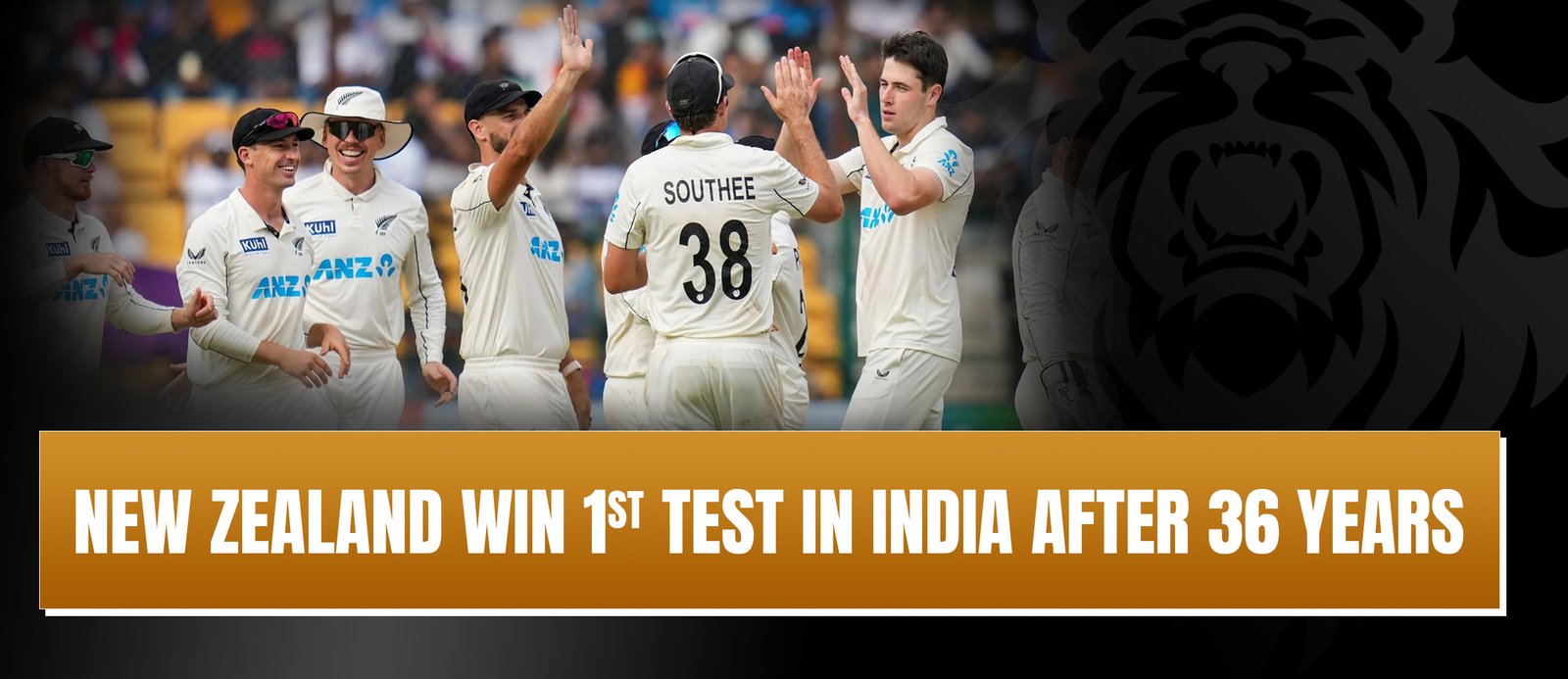
New Zealand Wins 1st Test in India after 36 years
• 21 Oct, 24 • by Champ11In a match that will be etched into cricketing folklore, New Zealand scripted history by defeating India by eight wickets in the first Test at Bengaluru.
-

Klaasen at top for IPL 2024 Orange Cap
• 30 Mar, 24 • by Champ11The Indian Premier League (IPL) is all about big runs and explosive batting, and the race for the Orange Cap – awarded to the season's leading run-scorer – is always a thrilling one. As the tournament progresses, the competition for this prestigious award is heating up! Currently, Heinrich Klaasen, the South African wicket-keeper batsman for the SRH,
-
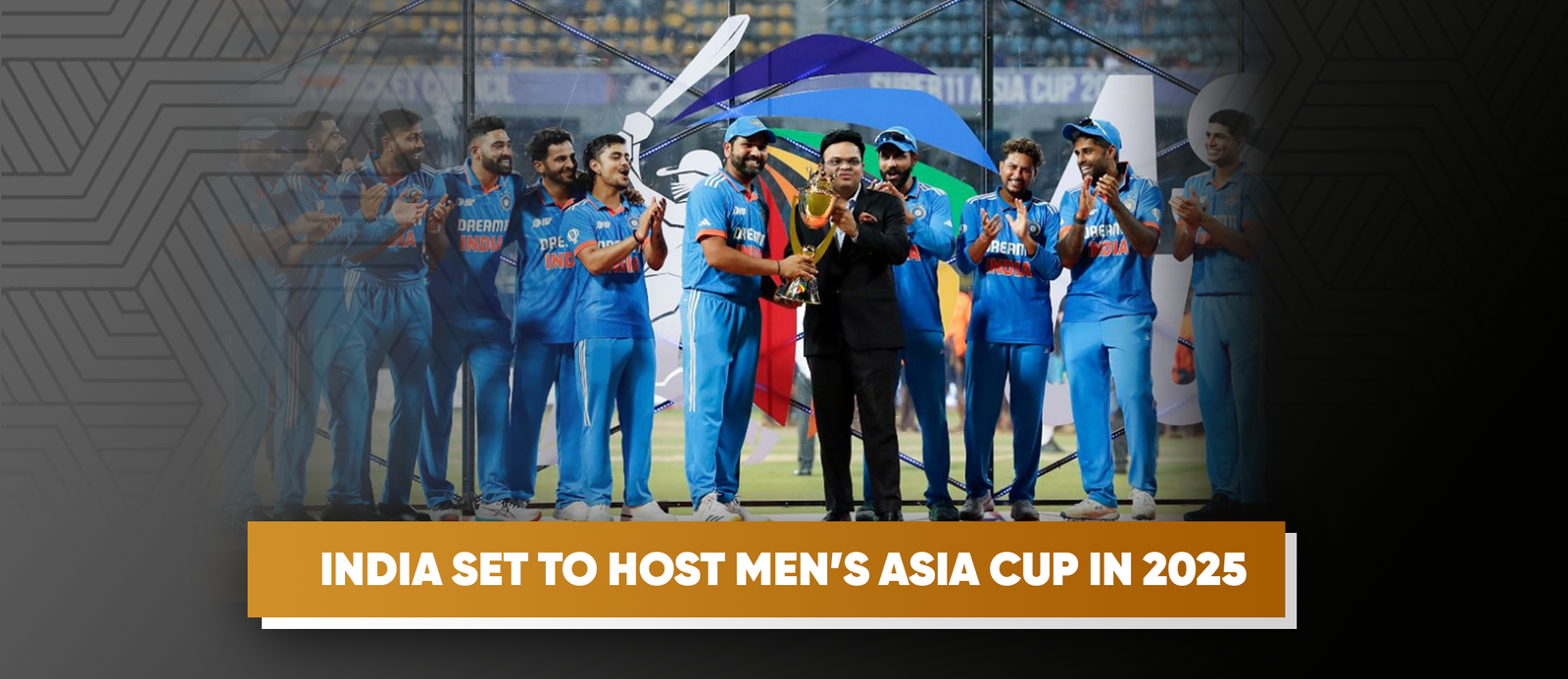
India Set to Host Men’s Asia Cup in 2025
• 08 Oct, 24 • by Champ11India is set to host the Men’s Asia Cup in 2025, marking a significant return as host after a long gap of 34 years. The announcement came from the Asian Cricket Council