

India Steals Thrilling Victory from Pakistan in Low-Scoring T20 World Cup Clash
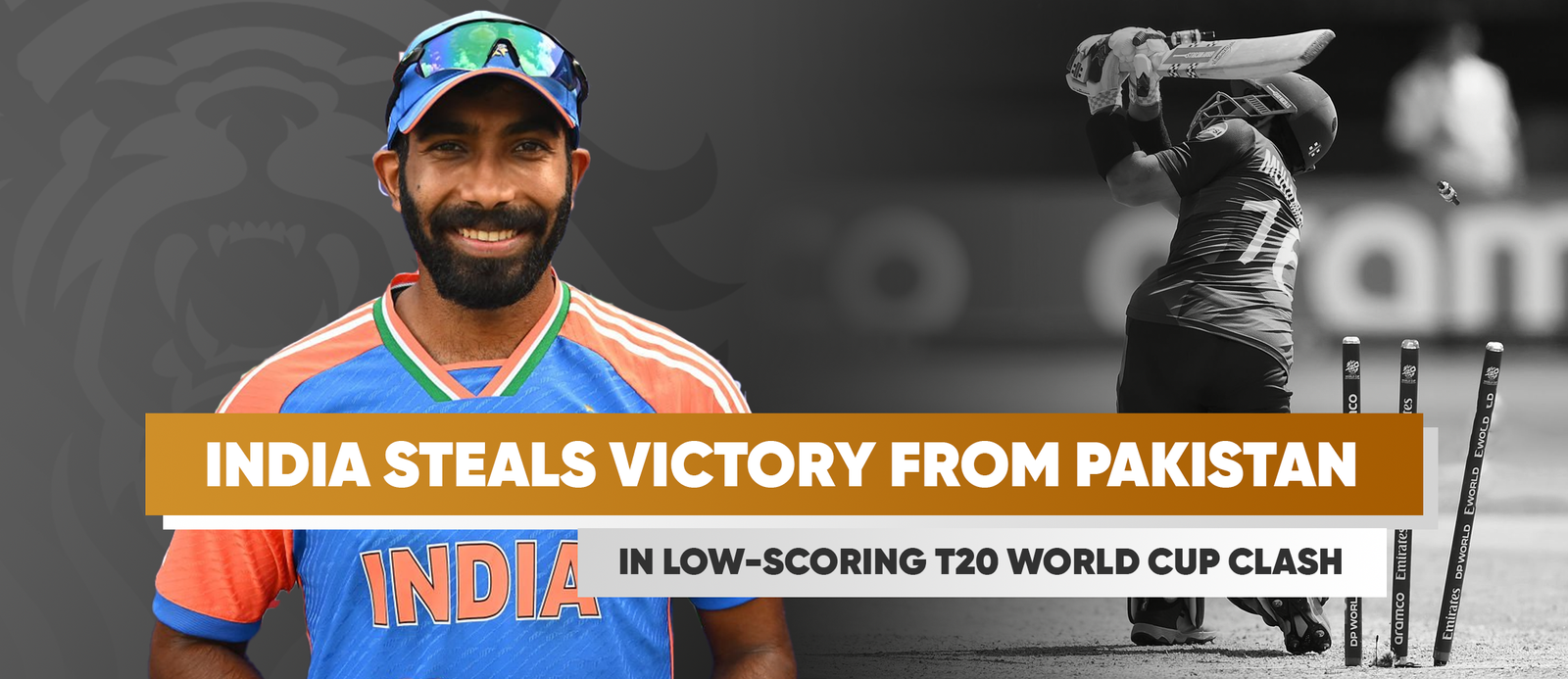
It was a nail-biting finish in New York as India edged past arch-rivals Pakistan by just 6 runs in the 19th match of the T20 World Cup 2024. This win is particularly special because it’s the lowest total India has ever defended to win against Pakistan in a T20 World Cup match.
Rain delayed the start, but when play began, Pakistan captain Babar Azam chose to field first. This initially seemed like a good call as their fast bowlers, Naseem Shah and Haris Rauf, ran riot through the Indian batting order, taking three wickets each. India could only manage a below-par score of 119 runs.
Pakistan’s chase started steadily, but they never really took control. Despite both openers getting lucky escapes early on, they were still in a comfortable position at the halfway mark, needing just 63 runs with 9 wickets in hand.
However, the Indian bowlers staged a brilliant fightback, especially Jasprit Bumrah who picked up 3 crucial wickets. Pakistan’s batting crumbled, and they fell short by just 6 runs, scoring only 113. This win continues India’s unbeaten run against Pakistan in World Cup matches.
This victory is reminiscent of India’s win in the last World Cup. Back then too, they defied the odds and won from a seemingly impossible situation. Just like this time, win predictors heavily favored Pakistan throughout the match.
Both these wins showcase the fighting spirit of the Indian team and their ability to win even when the odds are stacked against them. With two wins in a row, India will now be looking to continue their winning streak when they take on the host nation, USA, on Wednesday.
-
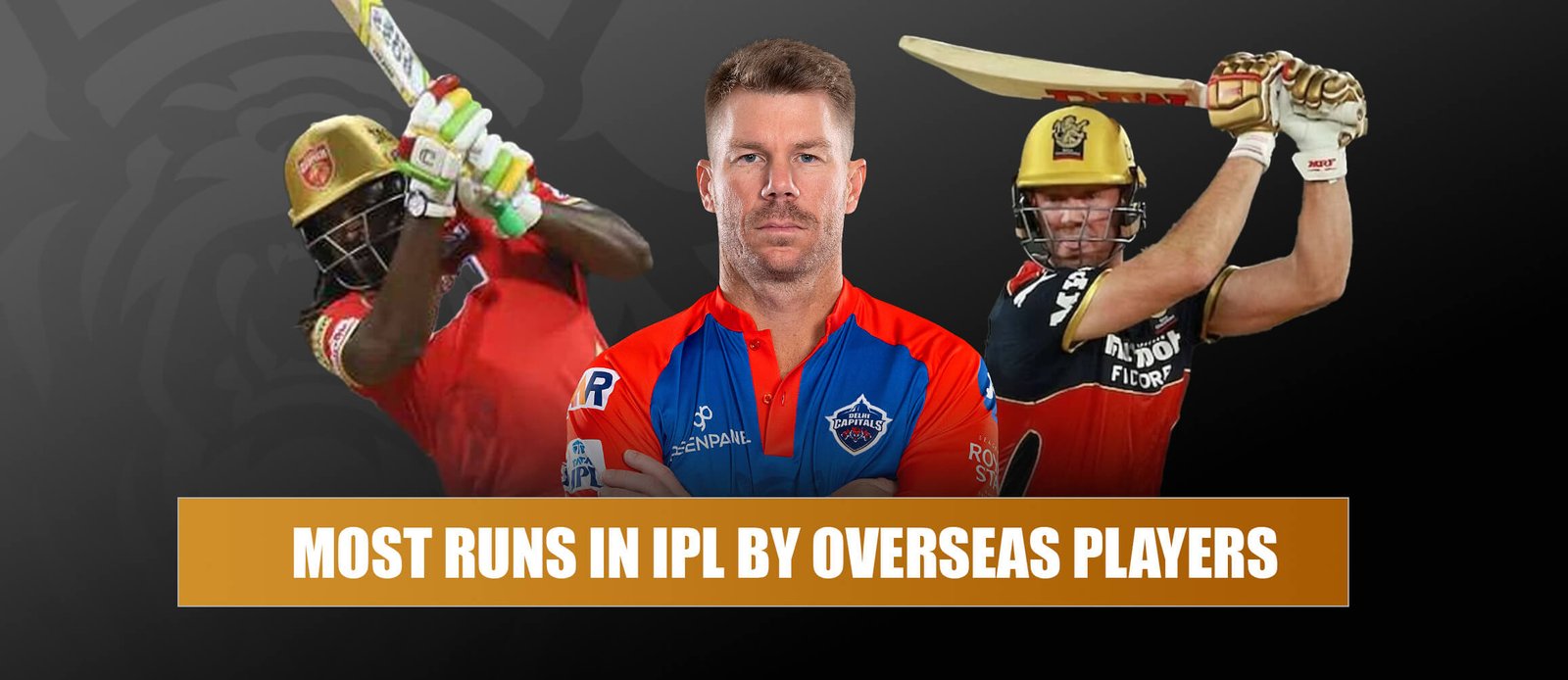
Most Runs in IPL by Overseas Players
• 25 Mar, 24 • by Champ11The IPL is a global phenomenon, attracting top cricketers from all corners of the world. But who are the overseas batsmen who have dominated the league with their willow? This article dives into the top 3 run-scorers in IPL history who aren't from India. This Australian batsman leads the pack. He's played for both Delhi and Hyderabad, scoring 6265 runs in 174 matches.
-
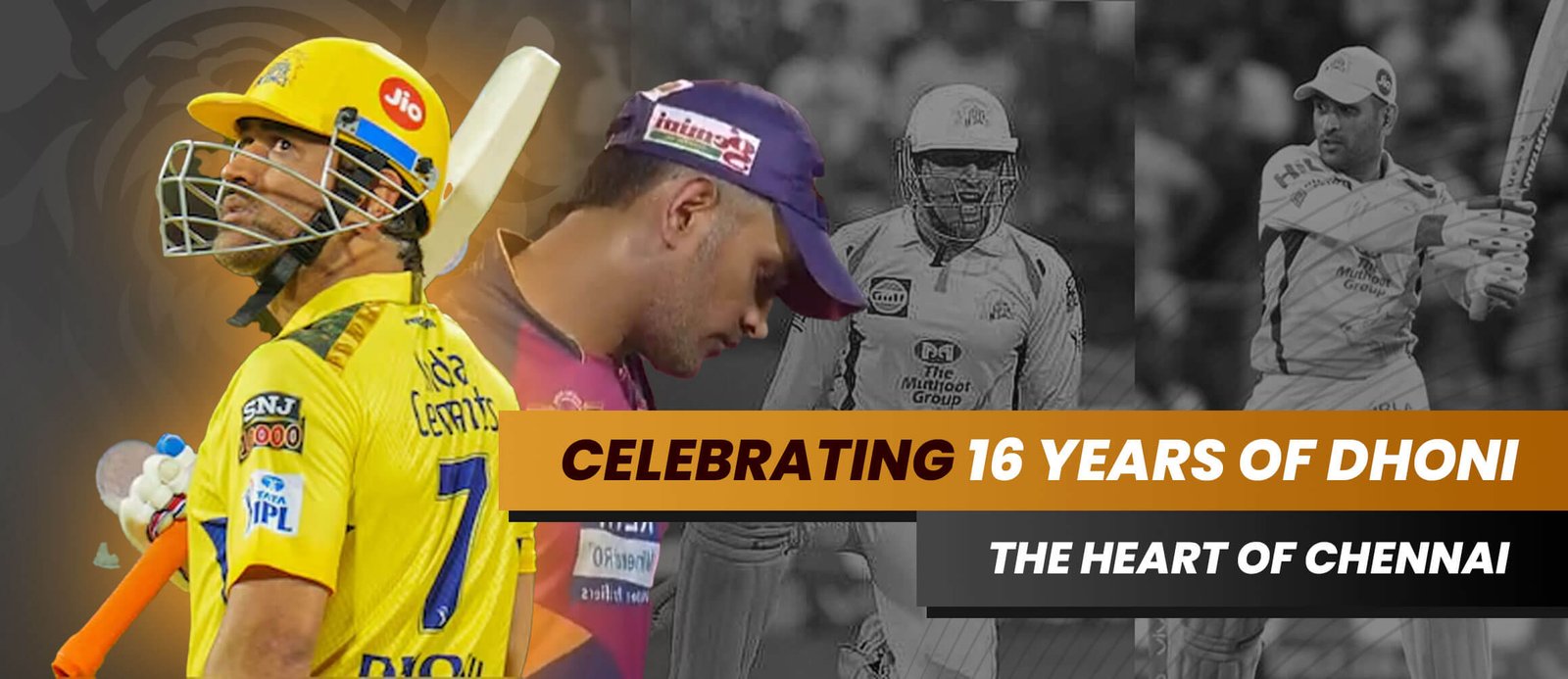
Celebrating 16 Years of Dhoni: The Heart of Chennai
• 07 Mar, 24 • by Champ11The IPL, India's massive summer cricket party, has become a huge deal that has successfully mesmerized millions of fans worldwide with its mix of cricketing talent, exciting performances, and highly energetic matches. There have been so many names in the IPL that have given quite a memorable performance but only one stands apart and no matter
-
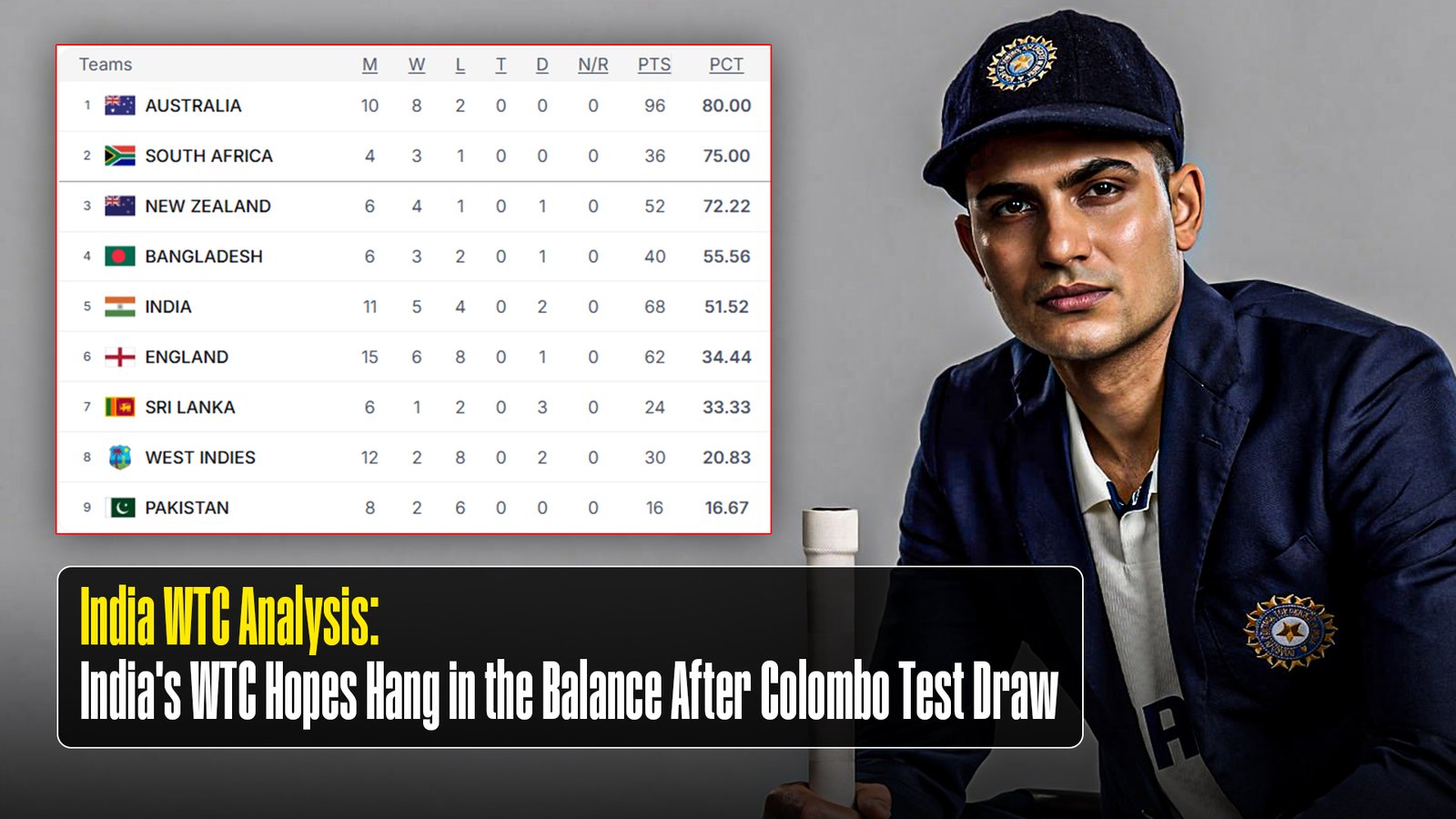
India WTC Analysis: India’s WTC Hopes Hang in the Balance After Colombo Test Draw
• 31 Aug, 26 • by Champ11Fifty-one point five two. That single figure is where India's World Test Championship story sits right now, and it tells you almost everything about the tightrope Shubman Gill's